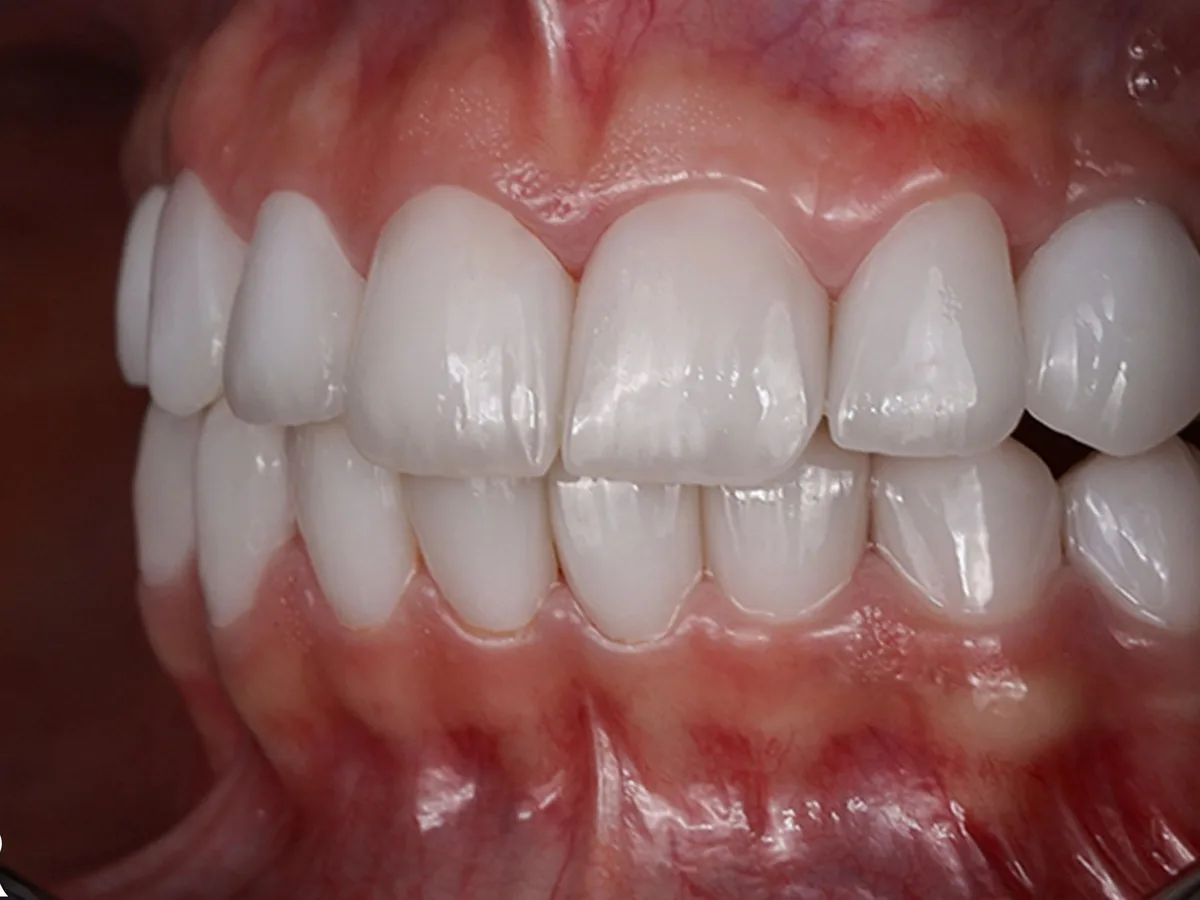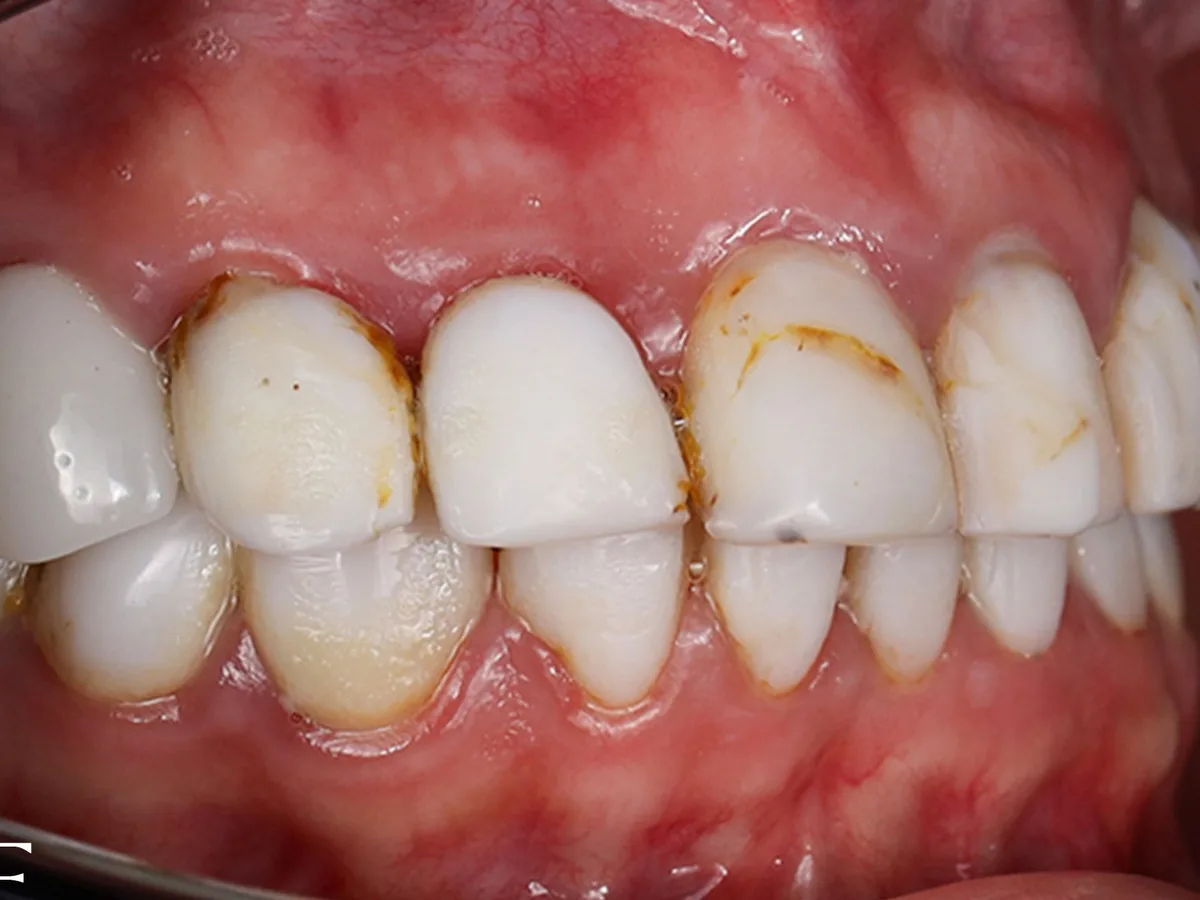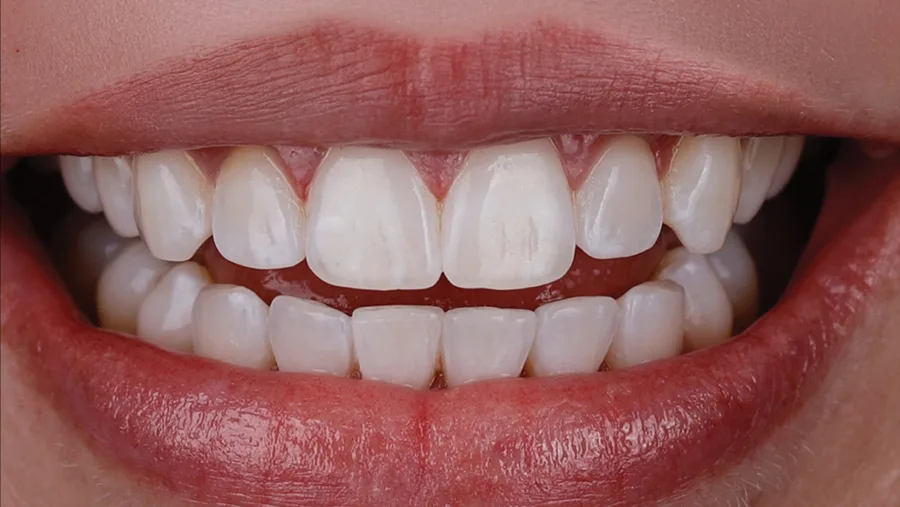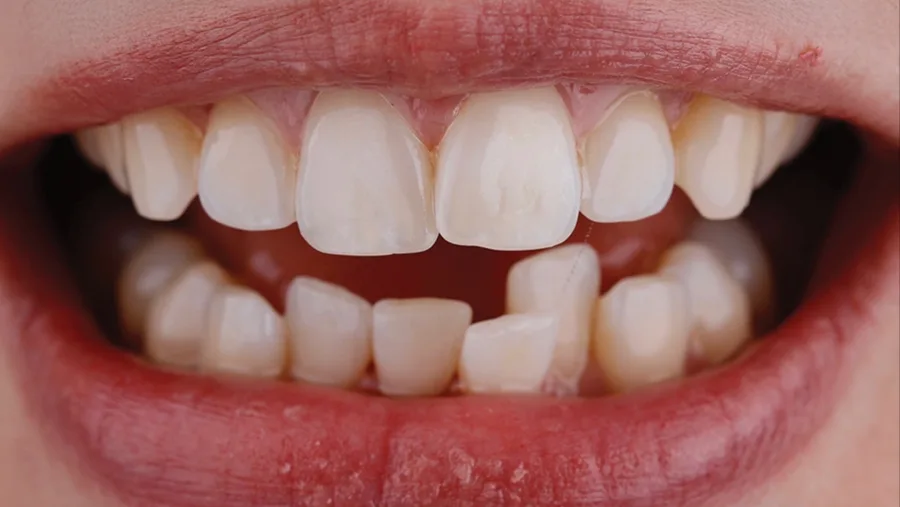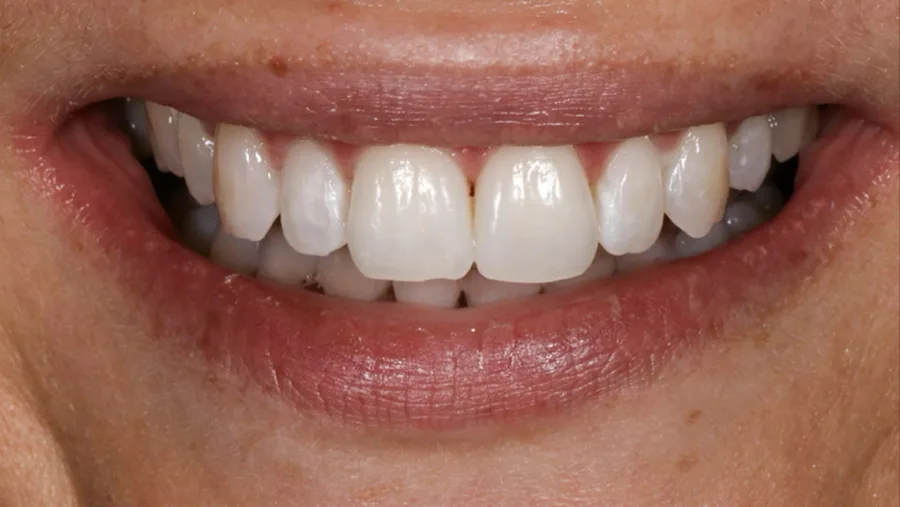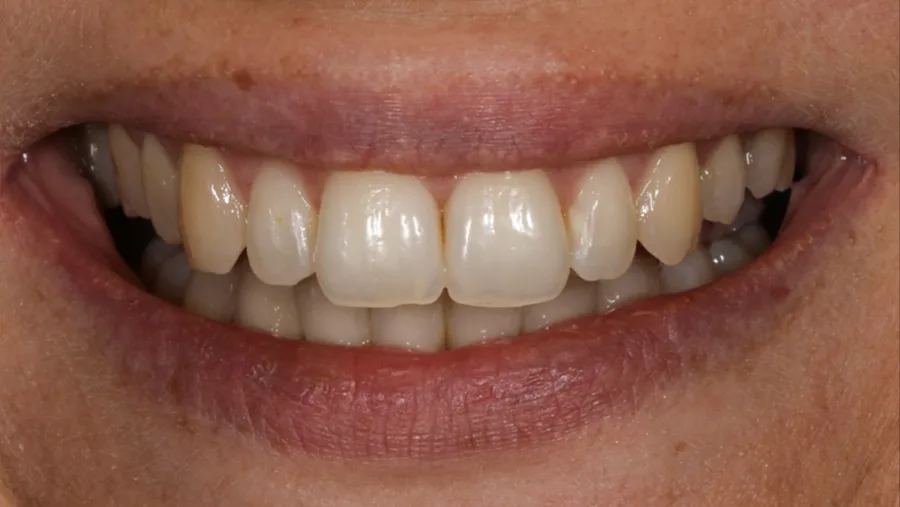
What is the difference between scaling and air polishing?
Scaling: removing hardened deposits
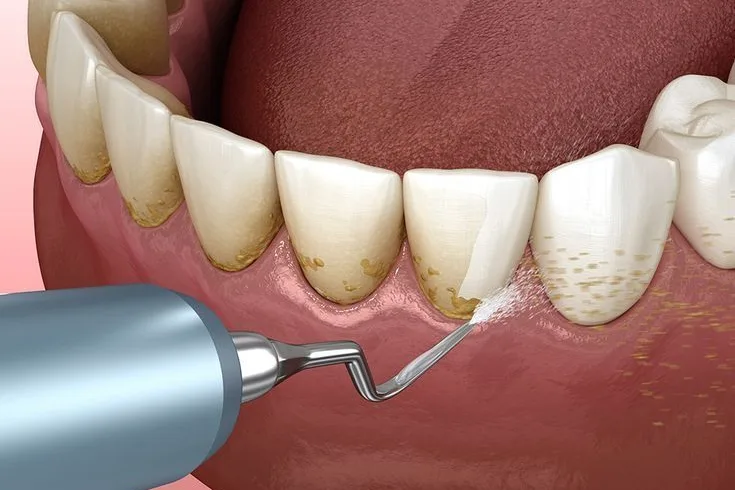
Scaling uses ultrasonic instruments, hand instruments, or a combination of both to remove tartar, also called calculus. These hardened deposits cannot be removed effectively with normal brushing.
Air polishing: removing plaque and surface stains
Air polishing targets soft bacterial deposits, known as biofilm, and external staining. It complements scaling and does not replace the instruments needed to remove established tartar.
Your dentist selects the appropriate instruments, powder, and technique for your teeth, gums, and any existing dental restorations.
Advantages of cleaning and air polishing
Removes external staining
Helps reduce many surface stains caused by food, drinks, and tobacco, improving the appearance of your natural teeth.
Supports gum health
Professional removal of plaque and tartar, combined with effective daily cleaning, helps manage the deposits associated with gum inflammation.
Cleans around difficult areas
The directed spray can help remove biofilm from areas that are difficult to clean, including around orthodontic appliances when the system is suitable.
Leaves teeth feeling clean and smooth
Removing deposits and surface stains can leave your mouth feeling fresher and your tooth surfaces smoother.
Adaptable to your dental needs
Different powders and settings are available for different surfaces. Suitable systems may be used around restorations and implants, following the manufacturer’s instructions and your clinician’s assessment.
Who may benefit?
Professional cleaning and air polishing may be suitable for patients with:
- Plaque or tartar build-up.
- Surface staining from coffee, tea, or tobacco.
- Gums that bleed during brushing.
- Orthodontic appliances that make cleaning more difficult.
- Restorations or implants requiring professional maintenance.
- A need for cleaning before whitening or cosmetic shade assessment.
Persistent bleeding, bad breath, or loose teeth require assessment because they may indicate a condition needing additional treatment. Patients with periodontitis may need deeper periodontal cleaning rather than a standard cleaning appointment alone.
The treatment process
- 1
Consultation and oral assessment
Your dentist reviews your medical history, examines your teeth and gums, and assesses plaque, tartar, staining, and sensitivity. Tell your clinician about respiratory conditions, allergies, or dietary sodium restrictions, as these can affect powder and treatment selection.
- 2
Scaling where required
Ultrasonic or hand instruments remove hardened deposits from the areas that need treatment. The extent of cleaning depends on your gum health and the amount of build-up.
- 3
Air polishing
A controlled mixture of air, water, and dental powder is directed over suitable surfaces to remove biofilm and external stains. Suction is used to manage the spray. Scaling and air polishing may be performed in a different order depending on the clinical approach.
- 4
Final assessment
Your clinician checks for remaining deposits and reviews your gum condition. Additional polishing or a fluoride treatment may be recommended when appropriate.
- 5
Personalised home-care advice
You receive advice on brushing, flossing, or interdental brushes, with a maintenance schedule based on your oral health.
How long does treatment take?
Treatment is commonly completed in one appointment. The time required depends on the amount of staining and tartar, your sensitivity, and your gum condition. More extensive deposits or periodontal disease may require additional visits.
Is the treatment uncomfortable?
You may notice water spray, pressure, or a powder taste during air polishing. Scaling can cause sensitivity, particularly around exposed roots or inflamed gums.
Your clinician can adjust the technique, pause treatment, or discuss local anaesthetic when needed. Temporary gum tenderness or tooth sensitivity may occur afterwards.
Will air polishing whiten my teeth?
Air polishing can make teeth appear brighter by removing external stains, but it does not bleach teeth or change their underlying natural colour.
If you want a lighter shade after cleaning, your dentist can assess whether professional teeth whitening is suitable.
Aftercare
- Brush twice daily with fluoride toothpaste.
- Clean between your teeth every day using floss or appropriately sized interdental brushes.
- Reduce tobacco use and frequent exposure to staining drinks.
- Follow any specific instructions if fluoride or local anaesthetic was used.
- Attend maintenance appointments at the interval recommended for your gum health and individual risk.
| Feature | Scaling | Air polishing | Teeth whitening |
|---|---|---|---|
| Main purpose | Removes hardened tartar | Removes biofilm and external stains | Lightens natural tooth colour |
| Method | Ultrasonic or hand instruments | Air, water, and dental powder | Dental bleaching agents |
| Removes established tartar | Yes | Does not replace scaling | No |
| Removes surface staining | May remove some staining with deposits | Yes, where suitable | May lighten discolouration but does not replace cleaning |
| Changes underlying tooth colour | No | No | Yes, with variable results |
| Role in care | Deposit removal and gum care | Biofilm control and surface stain removal | Cosmetic colour improvement |
Main purpose
- Scaling
- Removes hardened tartar
- Air polishing
- Removes biofilm and external stains
- Teeth whitening
- Lightens natural tooth colour
Method
- Scaling
- Ultrasonic or hand instruments
- Air polishing
- Air, water, and dental powder
- Teeth whitening
- Dental bleaching agents
Removes established tartar
- Scaling
- Yes
- Air polishing
- Does not replace scaling
- Teeth whitening
- No
Removes surface staining
- Scaling
- May remove some staining with deposits
- Air polishing
- Yes, where suitable
- Teeth whitening
- May lighten discolouration but does not replace cleaning
Changes underlying tooth colour
- Scaling
- No
- Air polishing
- No
- Teeth whitening
- Yes, with variable results
Role in care
- Scaling
- Deposit removal and gum care
- Air polishing
- Biofilm control and surface stain removal
- Teeth whitening
- Cosmetic colour improvement