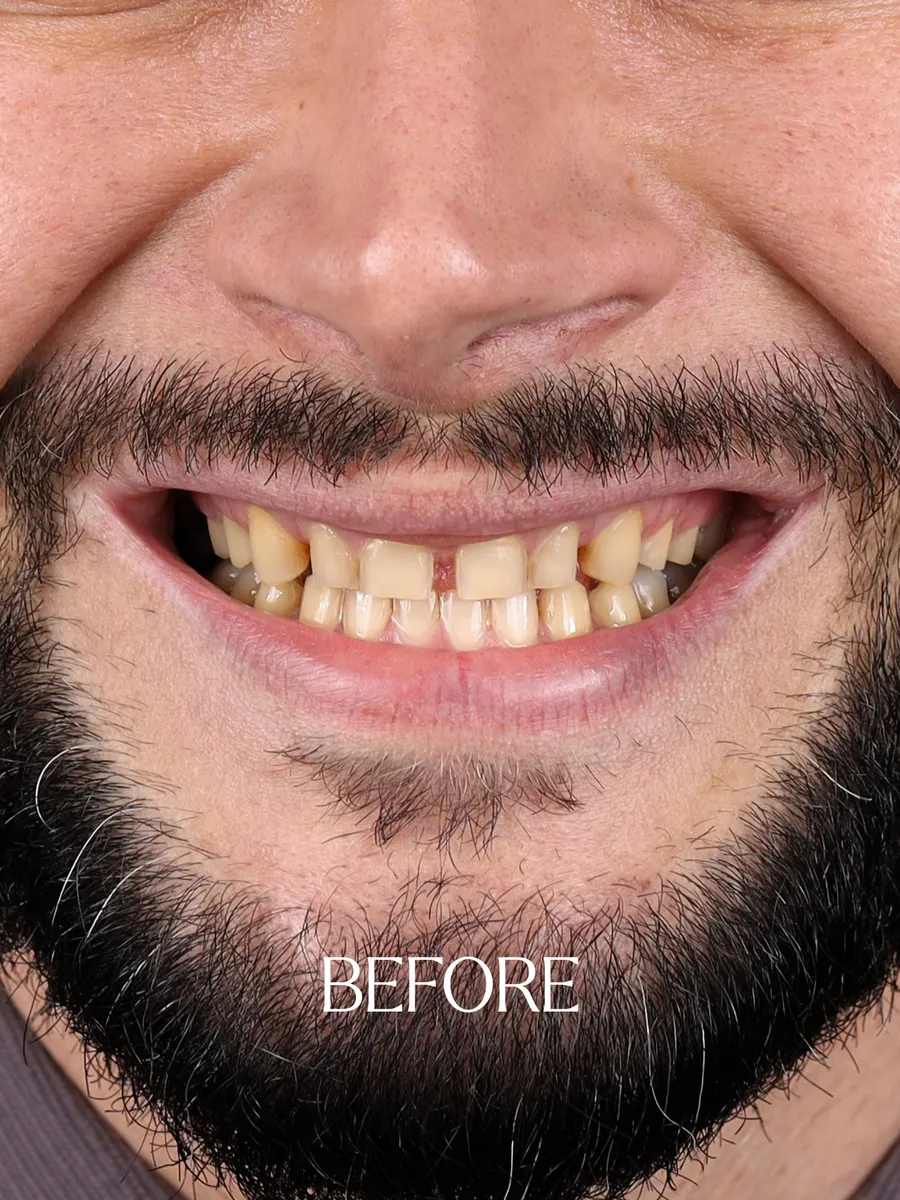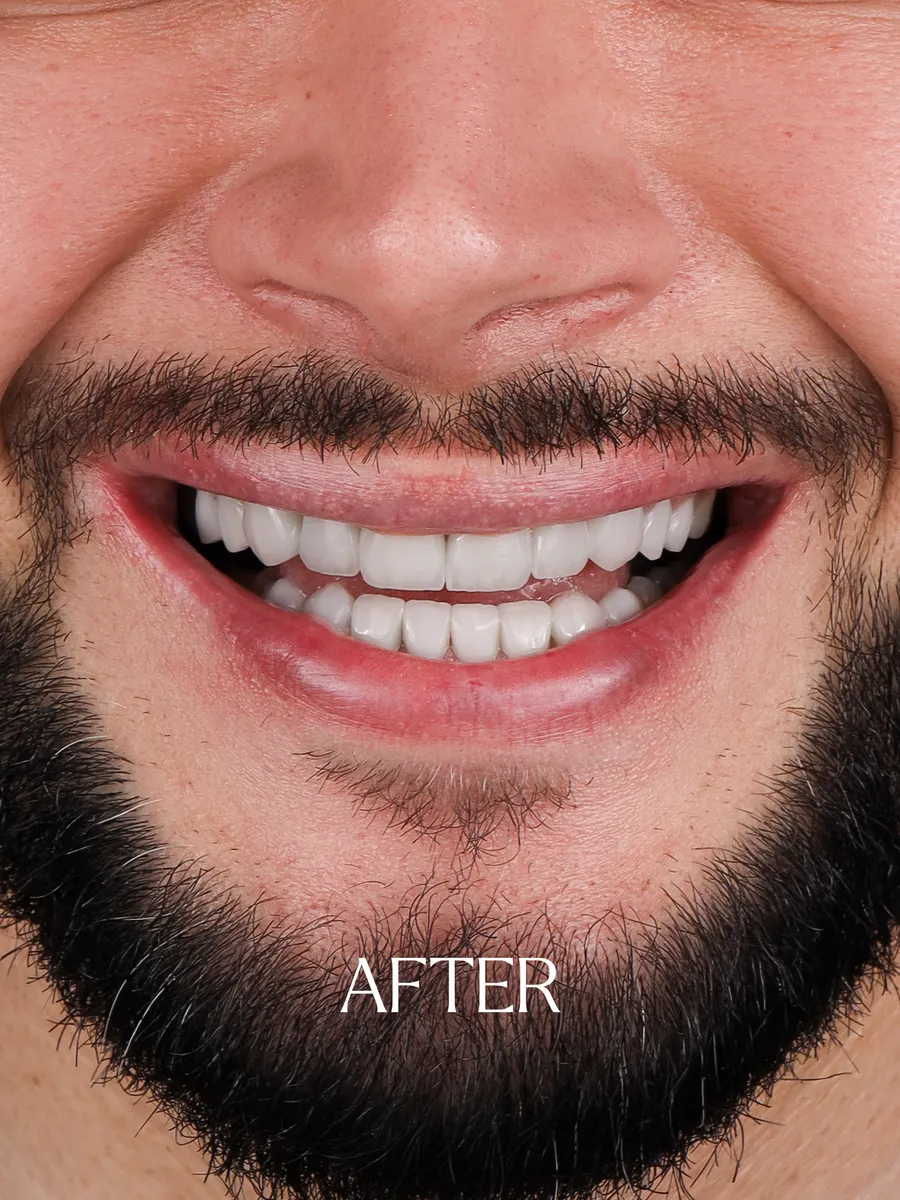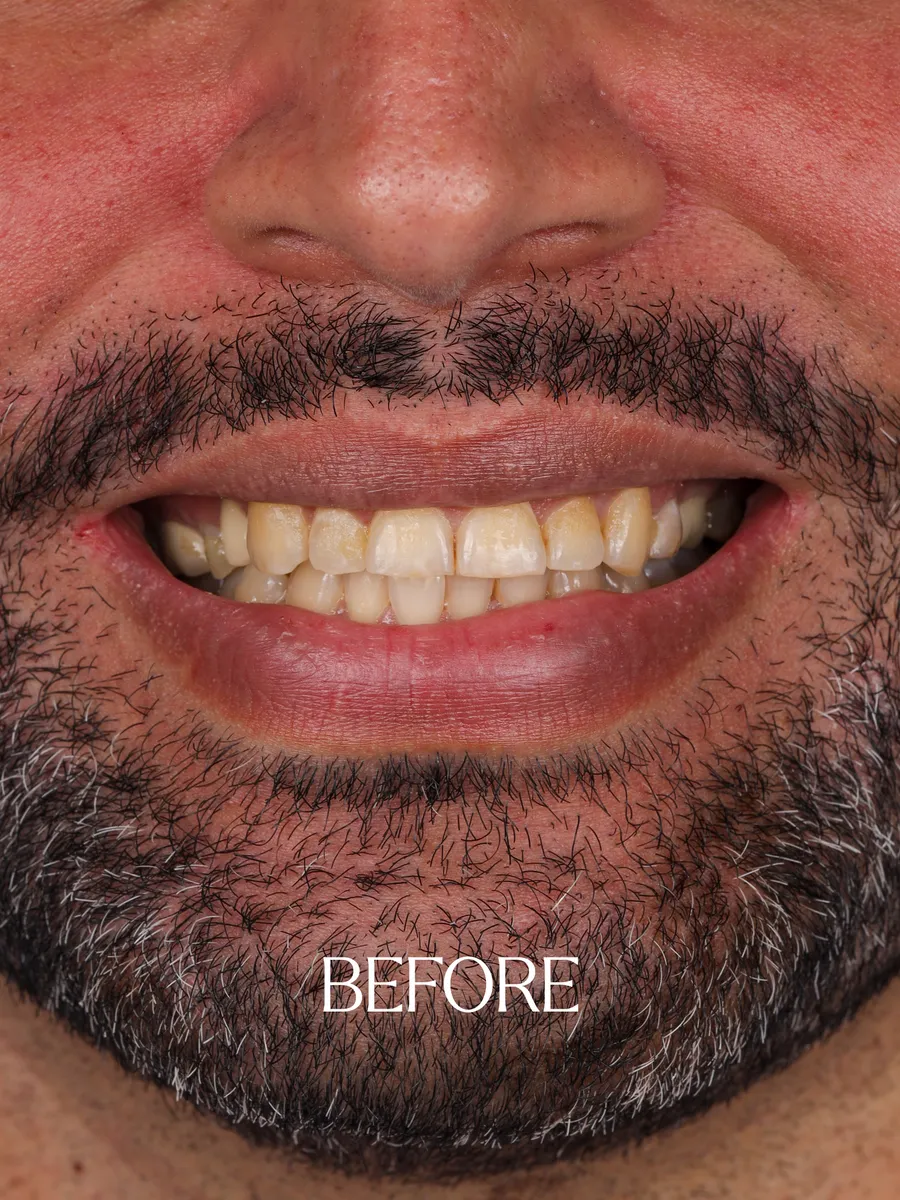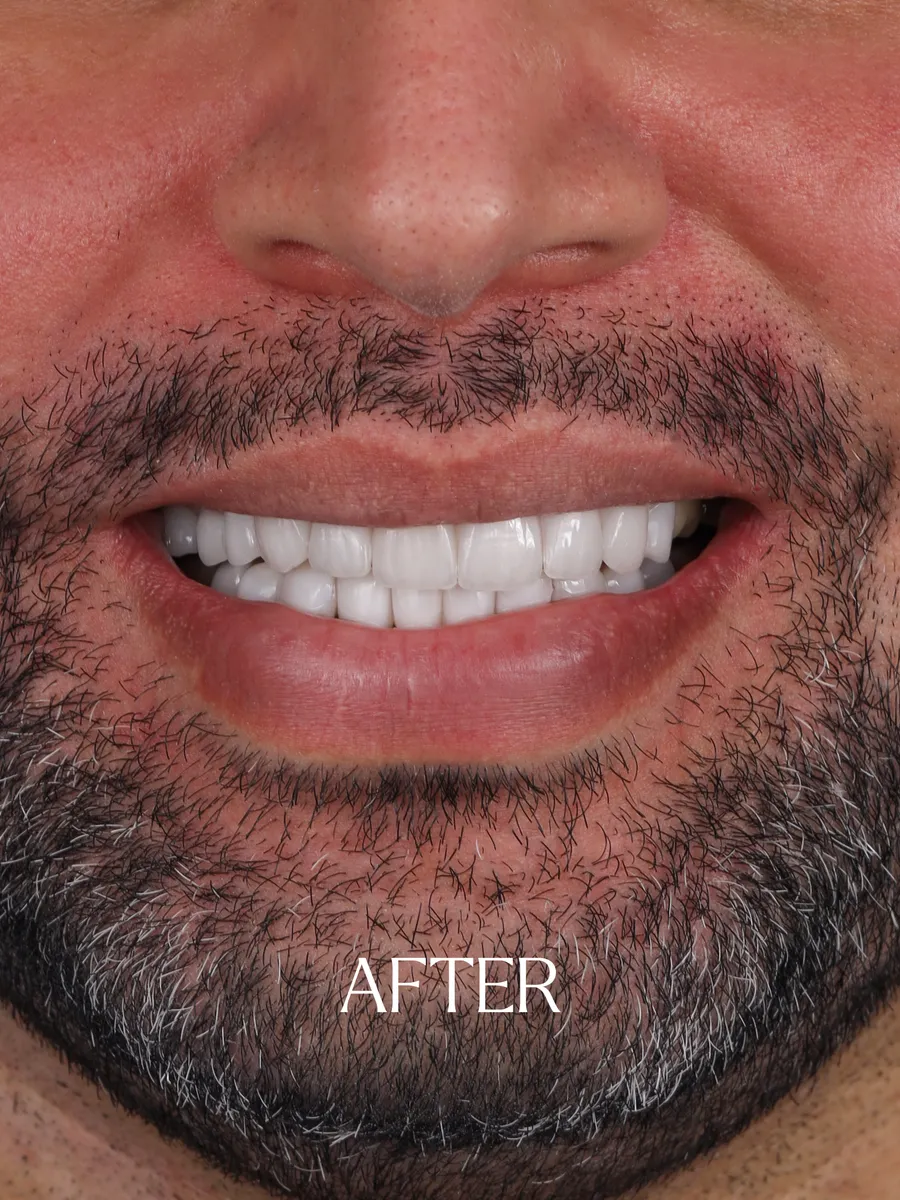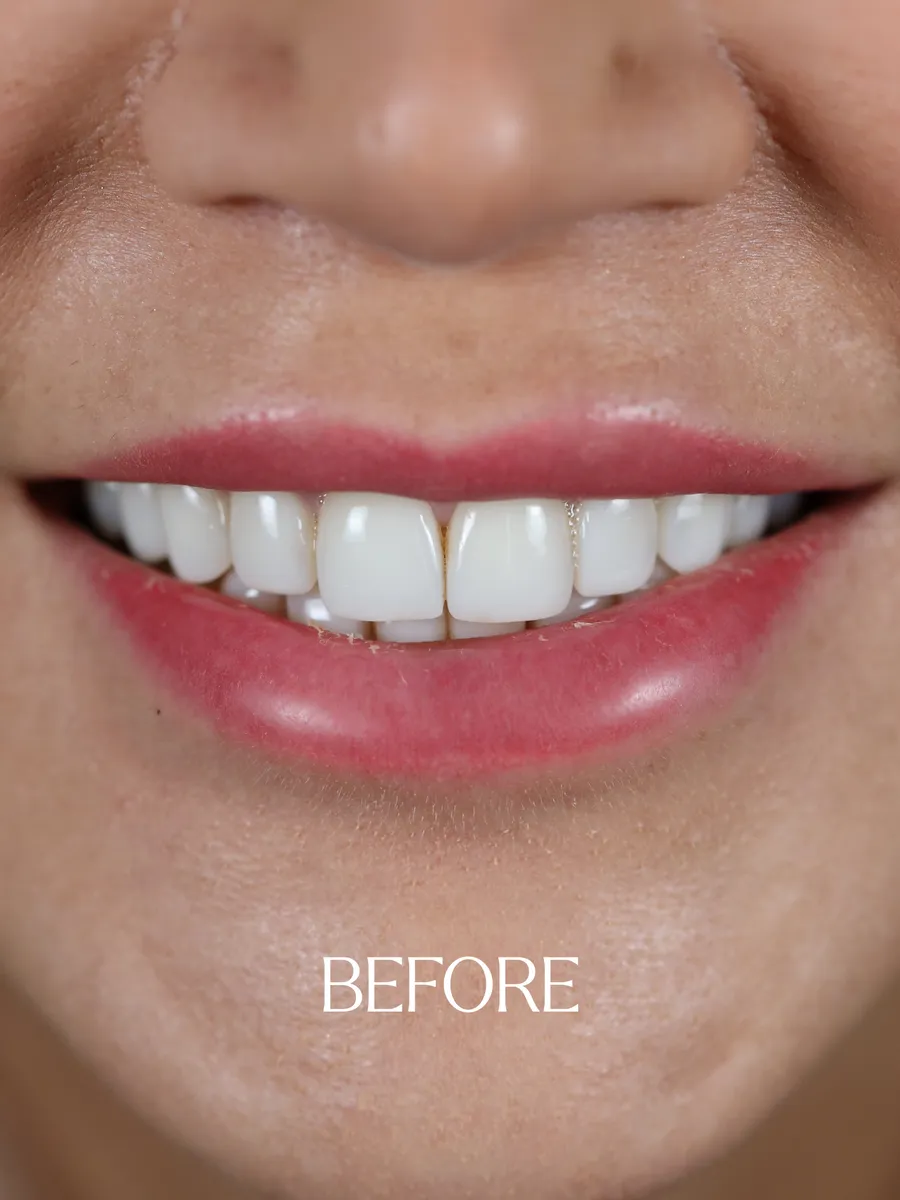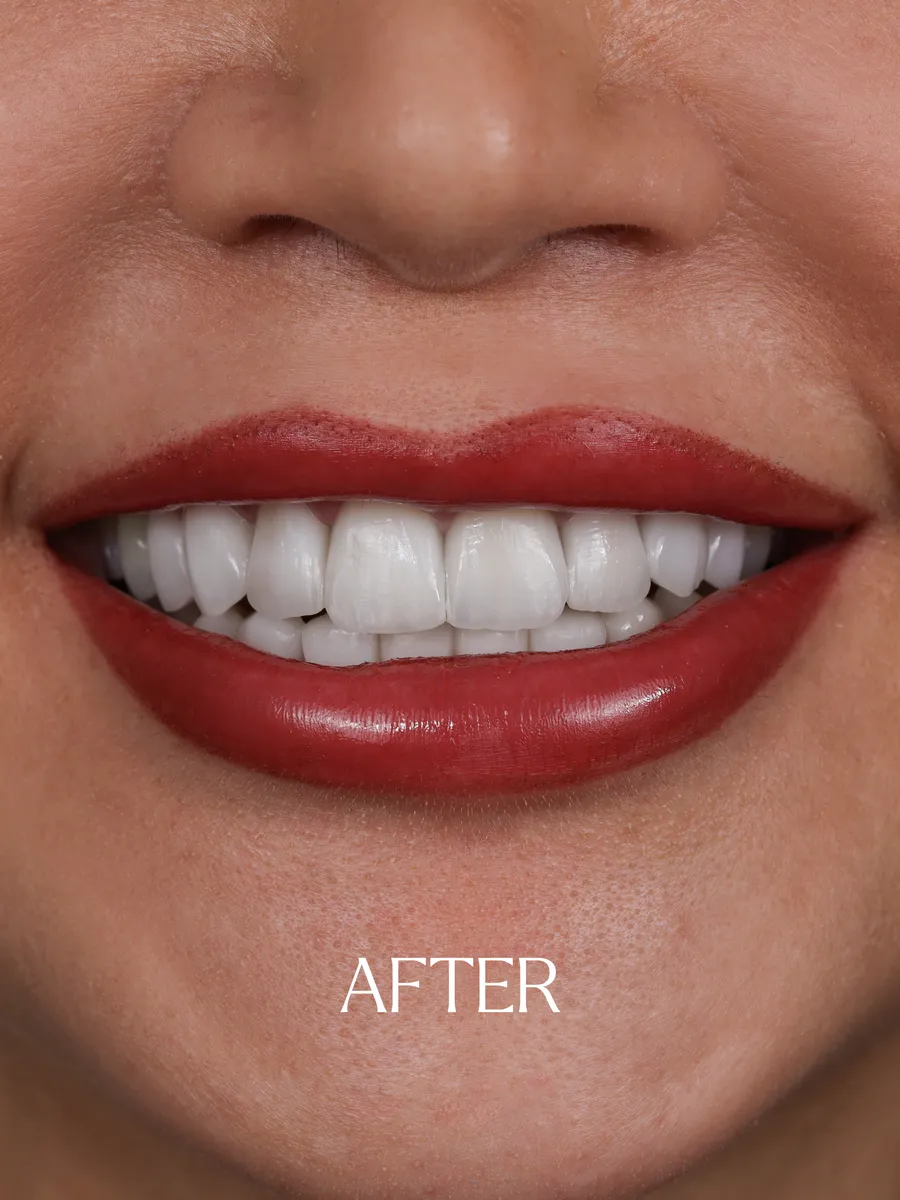
What Are Emax Veneers?
Emax veneers are thin, custom-made restorations bonded to the front surfaces of selected teeth. They are made using lithium disilicate glass-ceramic, a material within the IPS Emax system by Ivoclar.
Available in different shades and translucencies, this ceramic allows your dentist to plan an appearance that complements your natural teeth, from subtle improvements to a brighter smile.
What Can Veneers Improve in your smile?
Veneers may be considered for:
- Discolorations that do not respond adequately to whitening
- Small gaps between teeth
- Minor chips or uneven edges
- Irregular tooth shapes or proportions
- Selected cases of mild misalignment
Veneers change the appearance of teeth; they do not move teeth or correct the underlying bite. Your dentist may recommend orthodontic treatment or another option where appropriate.
Why Consider Emax Veneers?
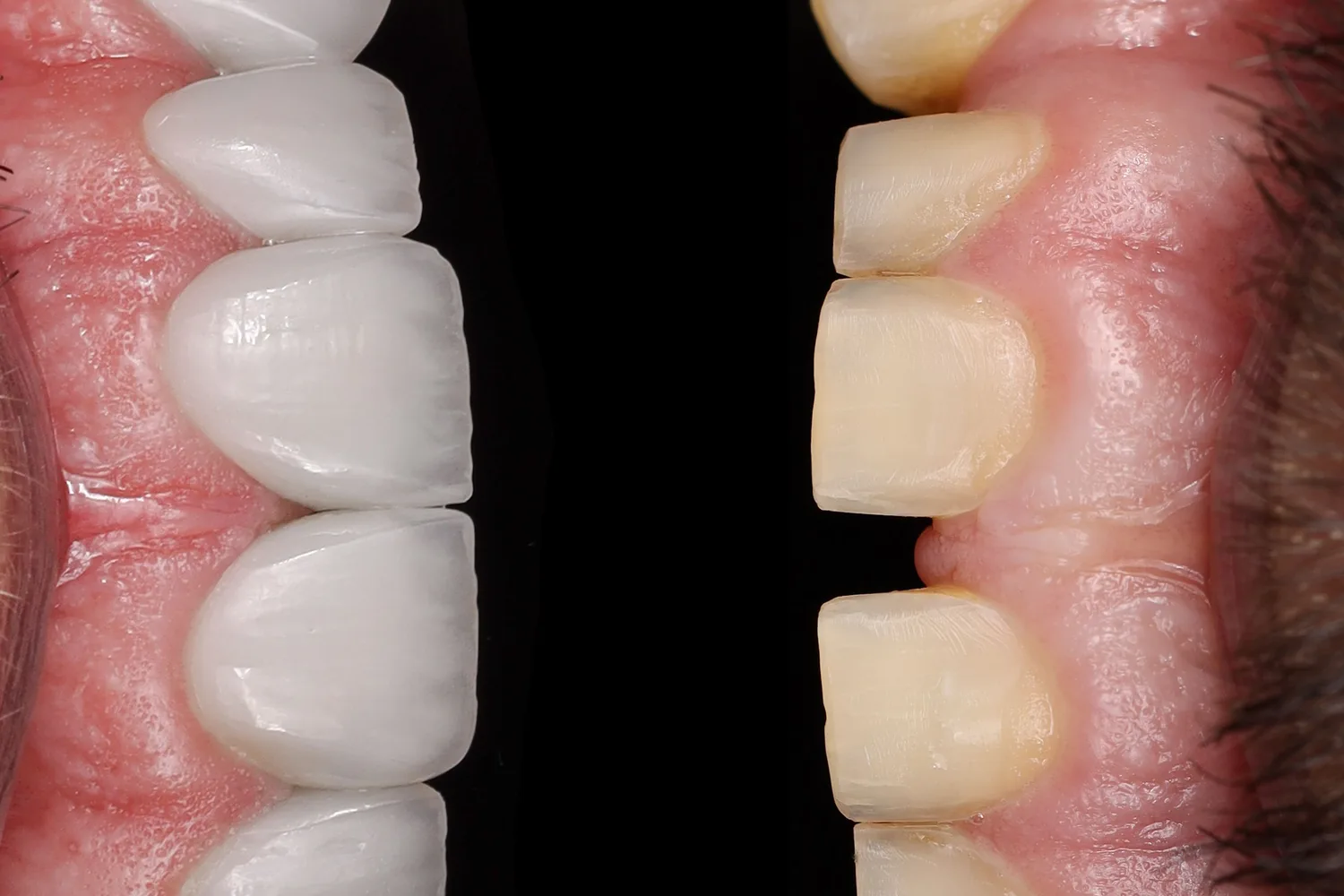
Natural-looking detail
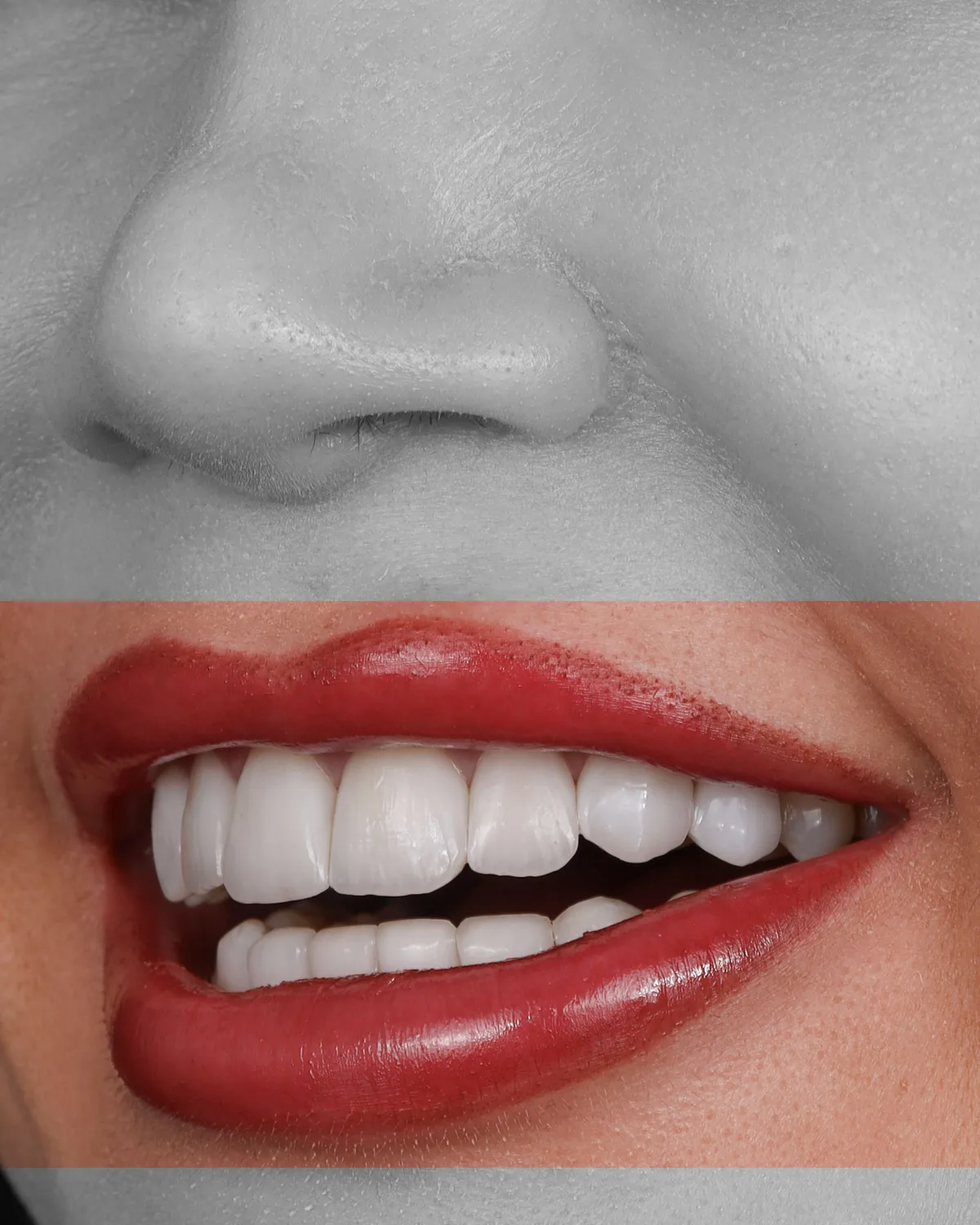
The material’s optical properties allow carefully selected color and translucency to create a lifelike appearance.
Individual design
The shape and proportions of each veneer can be planned around your existing teeth and desired result.
Metal-free ceramic
E.max lithium disilicate restorations do not require a metal framework.
Strength for suitable cases
The material combines aesthetic qualities with strength, although veneers can still chip, fracture or become detached. Their performance depends on case selection, bonding, bite forces and ongoing care.
Are Emax Veneers Right for You?
Suitability depends on your enamel, gum health, existing restorations and bite. Decay and gum disease must be addressed before cosmetic treatment. Teeth with extensive fillings or insufficient enamel may require a different approach.
Grinding, clenching and certain bite patterns can increase the risk of complications and require additional assessment.
Your Emax Veneers Treatment Journey
The complete E.max veneers process typically takes 2 to 3 weeks, depending on laboratory availability and any adjustments required during the fitting stage.
- 1
Consultation & Smile Planning
Consultation and smile planning take place during the same appointment. Your dentist examines your teeth, gums and bite, discusses your expectations, and assesses whether E.max veneers are suitable for you. Alternative treatments are considered where appropriate.
Digital scans, “before” photographs and OPG Radiographs are taken to plan the shade, shape, size and proportions of your veneers. These records are used to request a diagnostic mock-up and an index from the laboratory, where appropriate. The index can help create temporary veneers after tooth preparation if needed.
- 2
Tooth Preparation
At your preparation appointment, your dentist carefully prepares the selected teeth to accommodate the veneers, preserving as much healthy tooth structure as possible. The amount of preparation depends on your individual treatment plan between 0.3-0.5 mm.
- 3
Impression Taking: Separate Appointment
At a separate appointment, precise impressions or digital scans of the prepared teeth are taken after 2 days of your teeth preparation. These records, together with your approved smile plan, guide the laboratory in creating your custom-made E.max veneers.
If required, temporary veneers are placed using the planned smile design as a guide to protect the prepared teeth while your final veneers are being made.
- 4
Fitting & Try-In
The Emax veneers usually arrive from the laboratory within 7–10 days.
Your dentist checks the fit, shade, shape and bite of your veneers. You also have the opportunity to review their appearance before final bonding.
Any necessary adjustments are identified at this stage. If laboratory changes are needed, an additional fitting appointment may be required.
- 5
Final Cementation
Once you and your dentist have approved the veneers, they are bonded to your teeth.
Your dentist removes excess cement, checks your bite, makes any necessary final adjustments, and explains how to care for your new veneers.
| Feature | E-max veneers | Semi-feldspathic veneers | Feldspathic veneers |
|---|---|---|---|
| Material | Lithium disilicate glass-ceramic | Lithium disilicate base with compatible aesthetic porcelain layering | Feldspathic porcelain |
| Fabrication | Pressed or digitally milled, then finished and characterized | Base is pressed or milled, followed by hand layering | Traditionally built by hand in fine porcelain layers |
| Main advantage | Combines high material strength with excellent aesthetics | Combines a supportive base with detailed surface customization | Offers highly individualized layering and fine optical detail |
| Appearance | Can look highly natural; available in different translucencies | Allows additional control over texture, color, and edge effects | Particularly valued for delicate translucency and enamel-like effects |
| Strength considerations | Stronger ceramic material than feldspathic porcelain | Strong base, but the outer porcelain remains susceptible to chipping | Lower material strength: enamel support and careful bonding are especially important |
| Tooth preparation | Can be conservative in suitable cases | Depends on the space needed for the base and layering | Can be very thin in suitable cases |
| Masking dark teeth | Different opacity options can help; results depend on thickness and tooth color | Base opacity and layering can be selected to help manage color | Highly translucent designs may allow underlying discoloration to show through |
| Often considered when | Both aesthetics and material strength are priorities | A layered appearance and supportive base are desired | Fine aesthetic detail is a priority and sufficient enamel remains |
| Treatment stages | Consultation, planning, preparation if needed, scan or impression, try-in, and bonding | Same core stages, with additional laboratory layering | Same core stages, with handcrafted porcelain fabrication |
| Maintenance | Daily cleaning, regular reviews, and bite protection when indicated | Same care, with attention to the layered surface | Same care, with attention to porcelain protection |
Material
- E-max veneers
- Lithium disilicate glass-ceramic
- Semi-feldspathic veneers
- Lithium disilicate base with compatible aesthetic porcelain layering
- Feldspathic veneers
- Feldspathic porcelain
Fabrication
- E-max veneers
- Pressed or digitally milled, then finished and characterized
- Semi-feldspathic veneers
- Base is pressed or milled, followed by hand layering
- Feldspathic veneers
- Traditionally built by hand in fine porcelain layers
Main advantage
- E-max veneers
- Combines high material strength with excellent aesthetics
- Semi-feldspathic veneers
- Combines a supportive base with detailed surface customization
- Feldspathic veneers
- Offers highly individualized layering and fine optical detail
Appearance
- E-max veneers
- Can look highly natural; available in different translucencies
- Semi-feldspathic veneers
- Allows additional control over texture, color, and edge effects
- Feldspathic veneers
- Particularly valued for delicate translucency and enamel-like effects
Strength considerations
- E-max veneers
- Stronger ceramic material than feldspathic porcelain
- Semi-feldspathic veneers
- Strong base, but the outer porcelain remains susceptible to chipping
- Feldspathic veneers
- Lower material strength: enamel support and careful bonding are especially important
Tooth preparation
- E-max veneers
- Can be conservative in suitable cases
- Semi-feldspathic veneers
- Depends on the space needed for the base and layering
- Feldspathic veneers
- Can be very thin in suitable cases
Masking dark teeth
- E-max veneers
- Different opacity options can help; results depend on thickness and tooth color
- Semi-feldspathic veneers
- Base opacity and layering can be selected to help manage color
- Feldspathic veneers
- Highly translucent designs may allow underlying discoloration to show through
Often considered when
- E-max veneers
- Both aesthetics and material strength are priorities
- Semi-feldspathic veneers
- A layered appearance and supportive base are desired
- Feldspathic veneers
- Fine aesthetic detail is a priority and sufficient enamel remains
Treatment stages
- E-max veneers
- Consultation, planning, preparation if needed, scan or impression, try-in, and bonding
- Semi-feldspathic veneers
- Same core stages, with additional laboratory layering
- Feldspathic veneers
- Same core stages, with handcrafted porcelain fabrication
Maintenance
- E-max veneers
- Daily cleaning, regular reviews, and bite protection when indicated
- Semi-feldspathic veneers
- Same care, with attention to the layered surface
- Feldspathic veneers
- Same care, with attention to porcelain protection
Which veneer is right for you?
All three approaches can create an attractive, natural-looking smile. The best choice depends on your enamel, tooth color, bite, existing restorations, and preferred result. The quality of planning, laboratory work, and bonding is as important as the material selected.