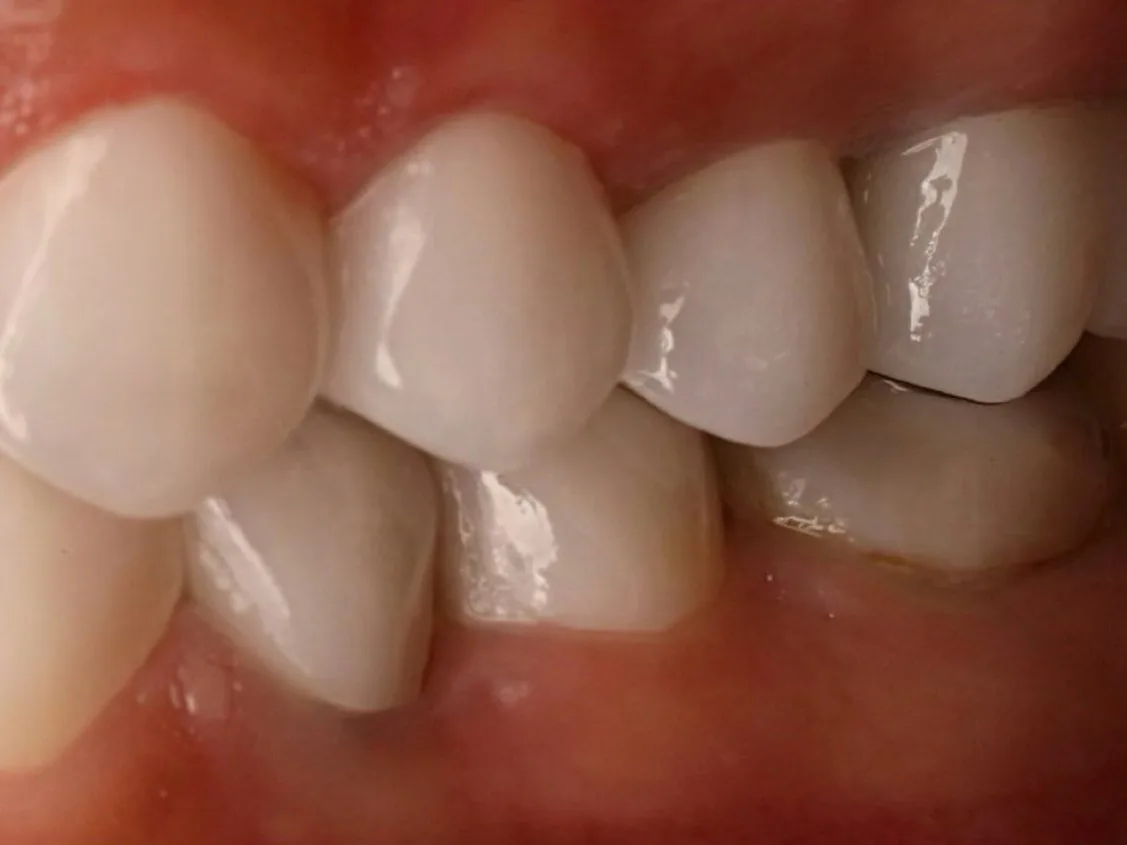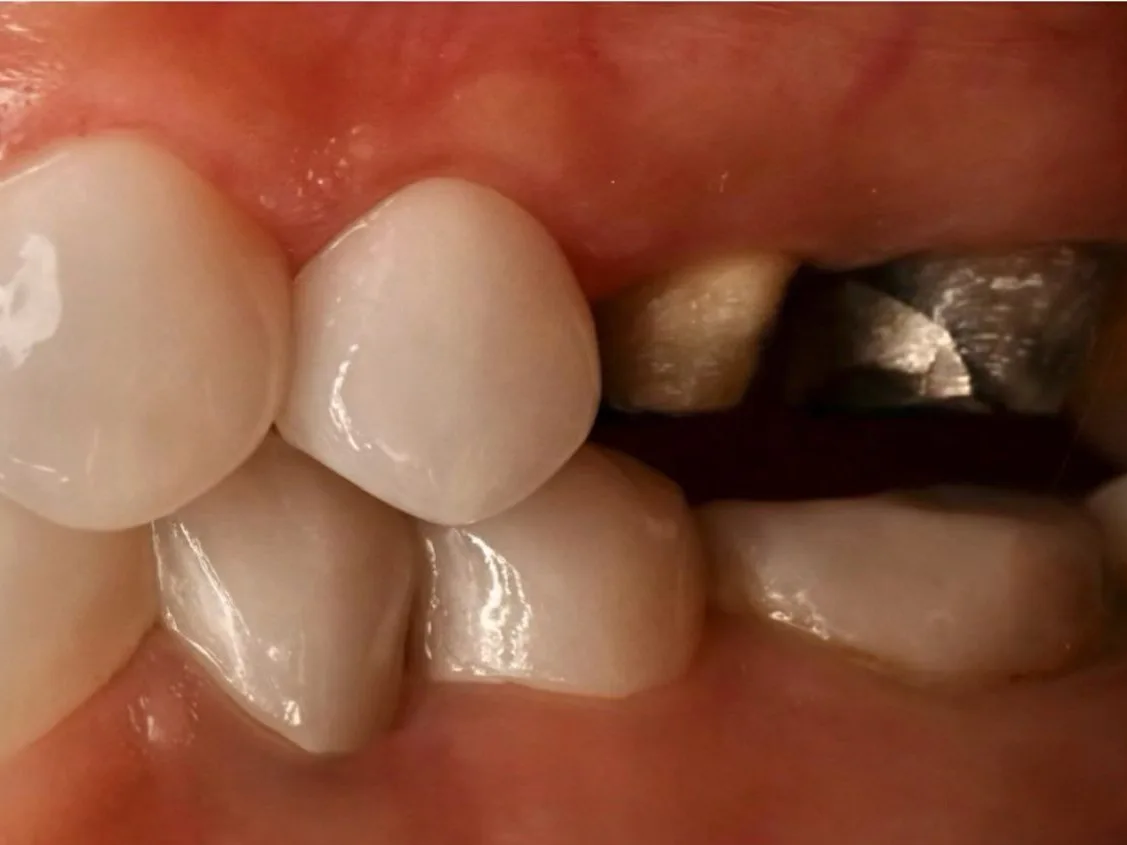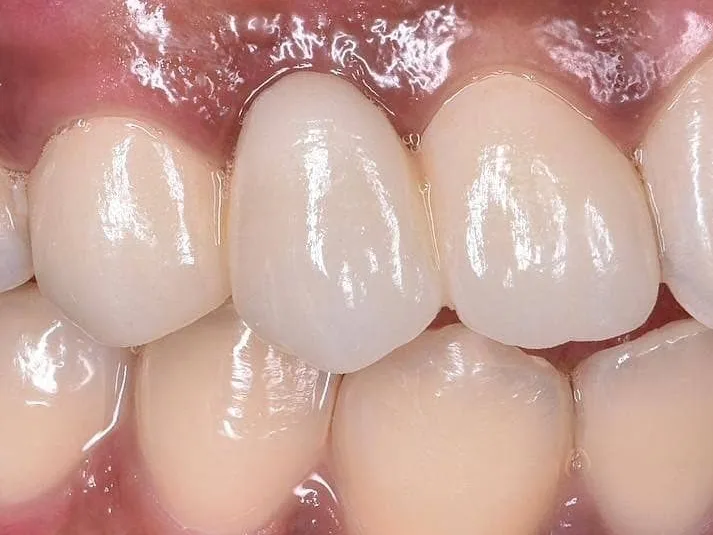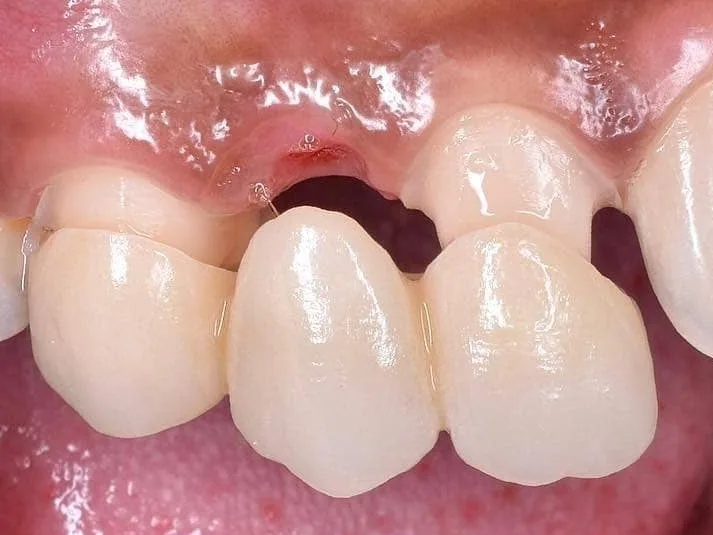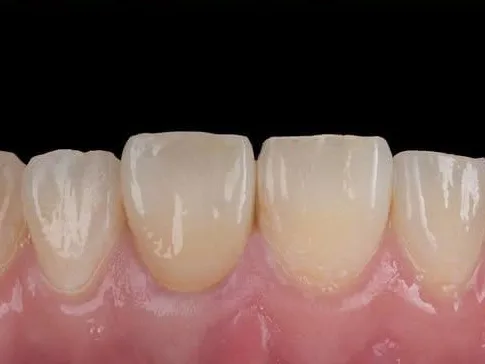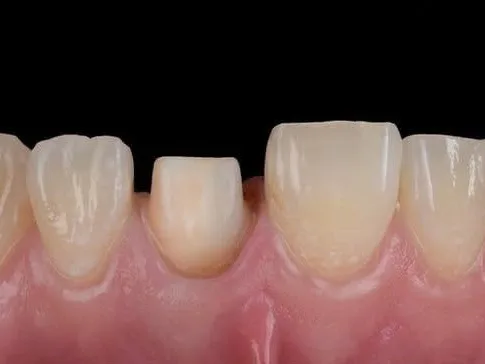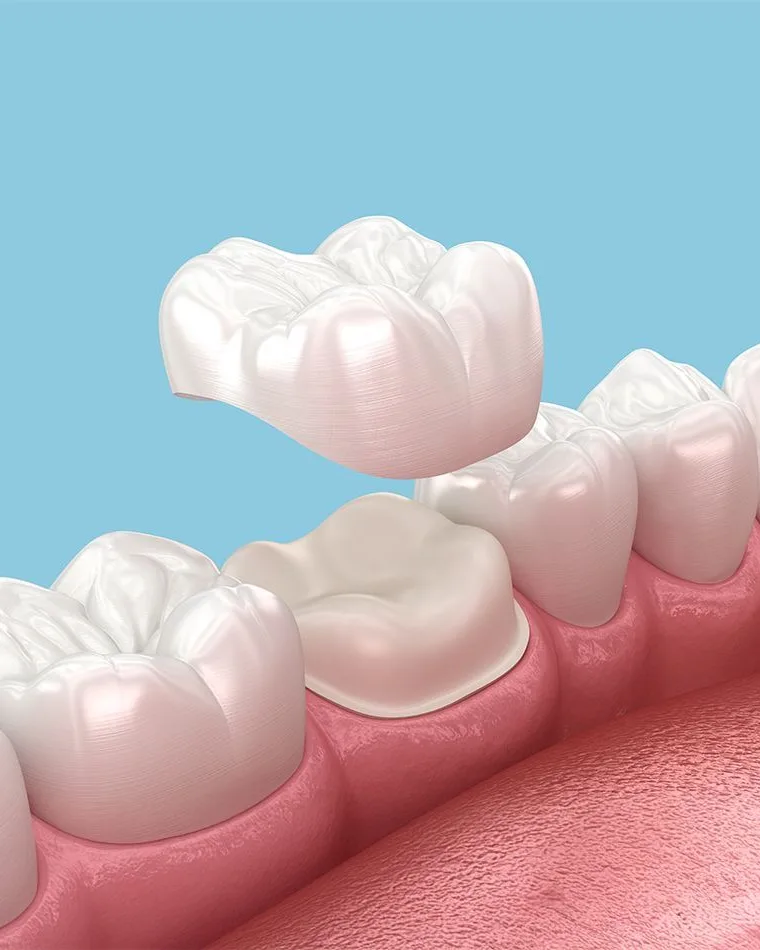
E-max Crowns & Bridges
E-max restorations are made from lithium disilicate glass-ceramic, combining natural translucency with good ceramic strength. Their colour and light transmission can be customised to blend with your smile.
Advantages:
- Excellent aesthetics and personalised shade matching.
- Metal-free ceramic construction.
- Suitable for front and selected back-tooth crowns.
- An option for certain short-span bridges.
ConsiderationsE-max bridges are limited to selected three-unit designs in the front and premolar regions, with the second premolar as the furthest supporting tooth. They are not suitable for every gap or molar bridge.
Zirconia Crowns & Bridges
Zirconia is a strong dental ceramic available in formulations offering different balances of strength and translucency. It can be used for individual crowns and a range of bridge designs.
Advantages:
- High strength for suitable areas exposed to greater chewing forces.
- Options for both front and back teeth.
- Broader bridge applications than lithium disilicate, depending on the system.
- Tooth-coloured, metal-free ceramic construction.
ConsiderationsZirconia may be used in full contour or combined with aesthetic porcelain layering. Appearance and strength depend on the formulation and design; chipping or fracture remains possible.
Gold Crowns & Bridges
Gold restorations are made from dental gold alloys, combining gold with other metals for strength and durability. They are often considered for back teeth when a metallic appearance is acceptable.
Advantages:
- High durability and resistance to fracture.
- Can function in relatively thin sections, potentially preserving tooth structure in suitable cases.
- Can be gentle on opposing teeth when properly finished and polished.
- Suitable for selected crowns and bridges.
ConsiderationsGold has a visible metallic colour, and cost depends partly on the alloy’s precious-metal content. Any history of metal allergy should be discussed before material selection.
Implant Crowns
An implant crown is the visible replacement tooth attached to a dental implant, usually through a connecting component called an abutment. The implant supports the crown in the jaw instead of relying on neighbouring teeth.
Advantages:
- A fixed replacement for a missing tooth.
- Avoids preparing neighbouring teeth solely to support a conventional bridge.
- Individually designed shade, shape, and biting surface.
- Restores chewing function and smile appearance.
Considerations“Implant crown” describes the support, rather than the crown material. Zirconia or another suitable material is selected according to the implant system, available space, and bite. Implant placement and healing are separate stages when an implant is not already present.
The Treatment Process
- 1
Consultation and planning
Your dentist examines your teeth, gums, and bite. X-rays and additional imaging, where indicated, help assess the supporting teeth, bone, or existing implant. Suitable materials and alternatives are discussed.
- 2
Preparation or implant assessment
For tooth-supported crowns and conventional bridges, supporting teeth are shaped as required, and decay or existing damage is managed. For implant crowns, implant stability and the surrounding tissues are assessed.
- 3
Digital scan or impression
Precise records and shade information are sent to the laboratory. Temporary restorations are provided when appropriate.
- 4
Try-in and final fitting
Your dentist checks the fit, appearance, contacts, and bite. Once approved, the restoration is bonded, cemented, or screw-retained according to its design.
- 5
Review and maintenance
A follow-up assessment checks comfort, function, and tissue health.
Treatment timeCrowns and bridges usually require more than one appointment. Laboratory availability and adjustments affect timing. If implant surgery is needed, the healing period adds to the overall treatment schedule.
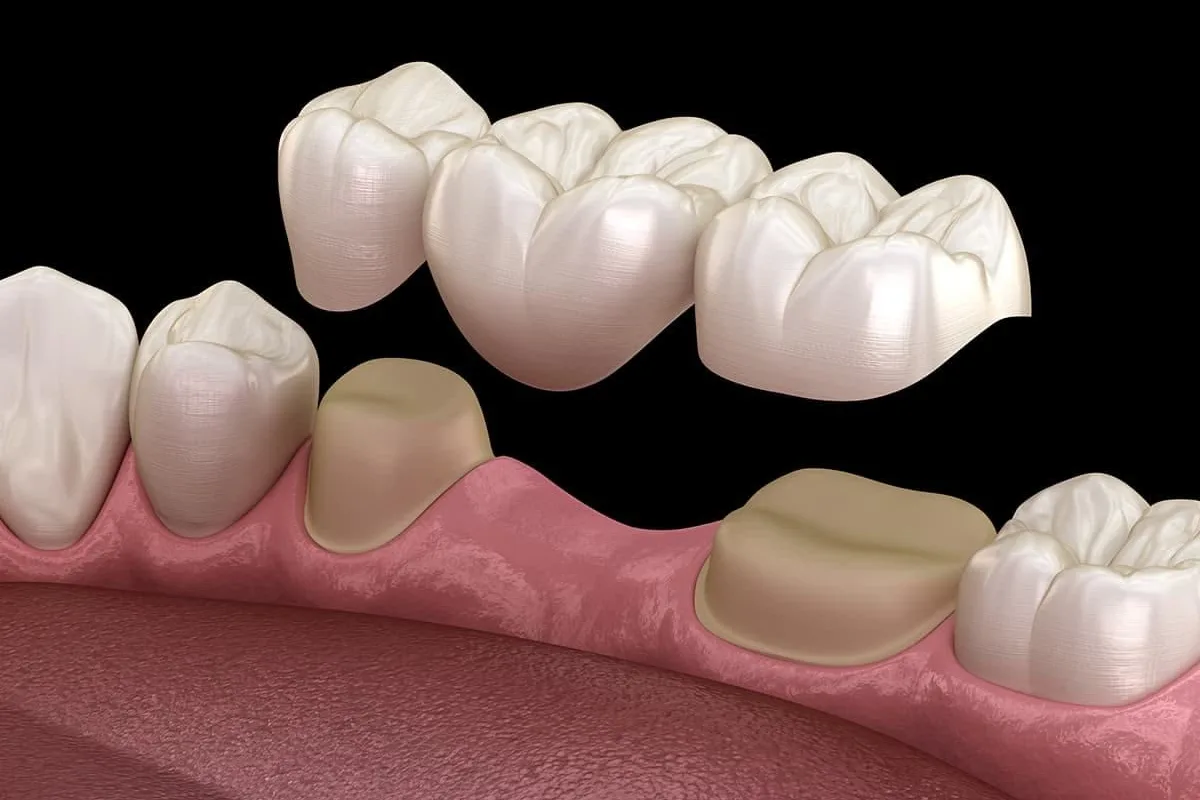
Comparing Your Options
| Option | Main feature | Common applications |
|---|---|---|
| E-max | Natural translucency and ceramic strength | Individual crowns and selected short-span bridges |
| Zirconia | High strength with different aesthetic options | Front or back crowns and suitable bridge designs |
| Gold alloy | Durability and resistance to fracture | Selected crowns and bridges, particularly on back teeth |
| Implant crown | Supported by an implant rather than a natural tooth | Replacement of an individual missing tooth |
E-max
- Main feature
- Natural translucency and ceramic strength
- Common applications
- Individual crowns and selected short-span bridges
Zirconia
- Main feature
- High strength with different aesthetic options
- Common applications
- Front or back crowns and suitable bridge designs
Gold alloy
- Main feature
- Durability and resistance to fracture
- Common applications
- Selected crowns and bridges, particularly on back teeth
Implant crown
- Main feature
- Supported by an implant rather than a natural tooth
- Common applications
- Replacement of an individual missing tooth
Aftercare & Long-Term Maintenance
Brush twice daily with fluoride toothpaste. Clean between teeth, beneath bridges, and around implants using the tools your dentist recommends. Attend regular dental reviews and wear a night guard if prescribed. Crowns and bridges are not lifetime restorations and may eventually require repair or replacement. Possible complications include loosening, fracture, gum inflammation, and decay around supporting natural teeth. Implants cannot develop tooth decay, but their surrounding tissues can develop inflammation and bone loss.
Book a consultation at Elora Aesthetic Polyclinic for a restoration plan tailored to your teeth, bite, and smile goals.