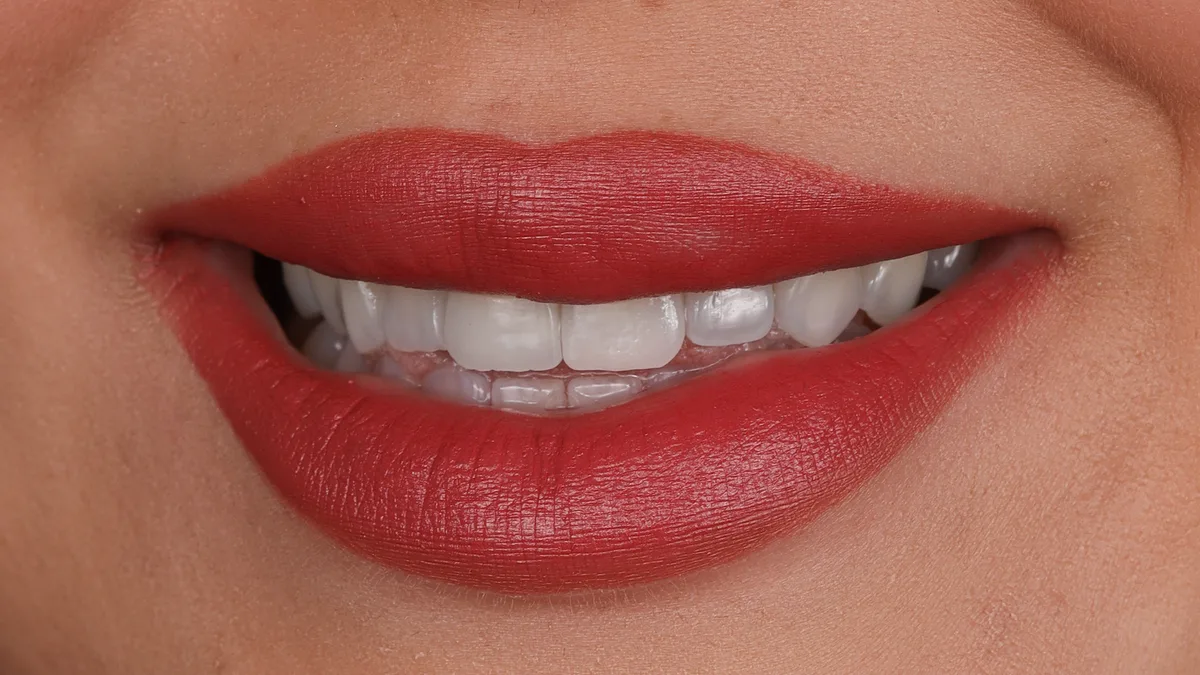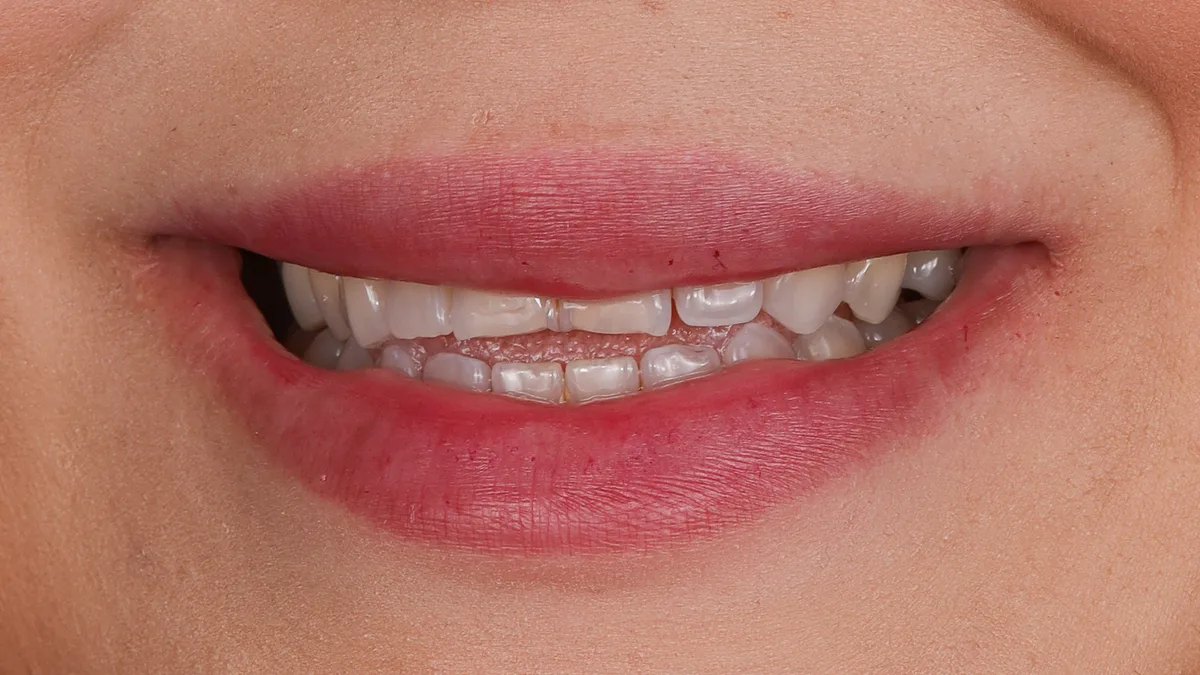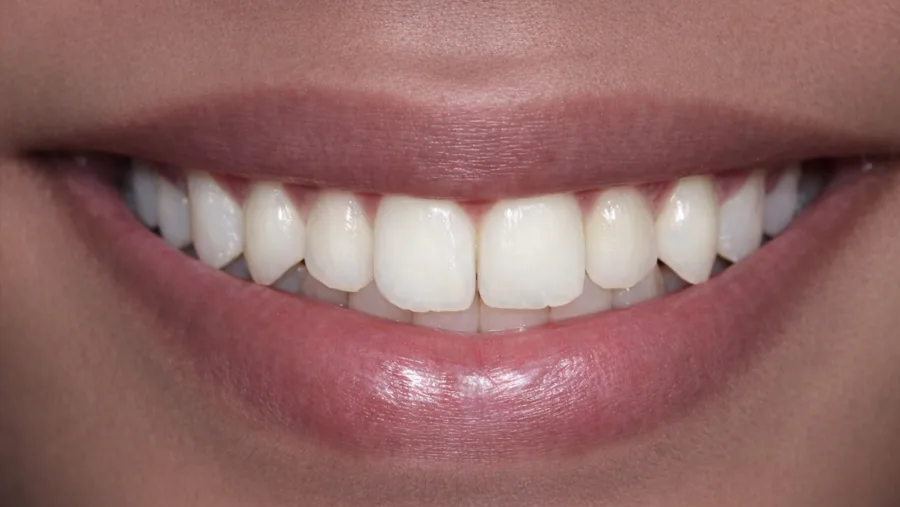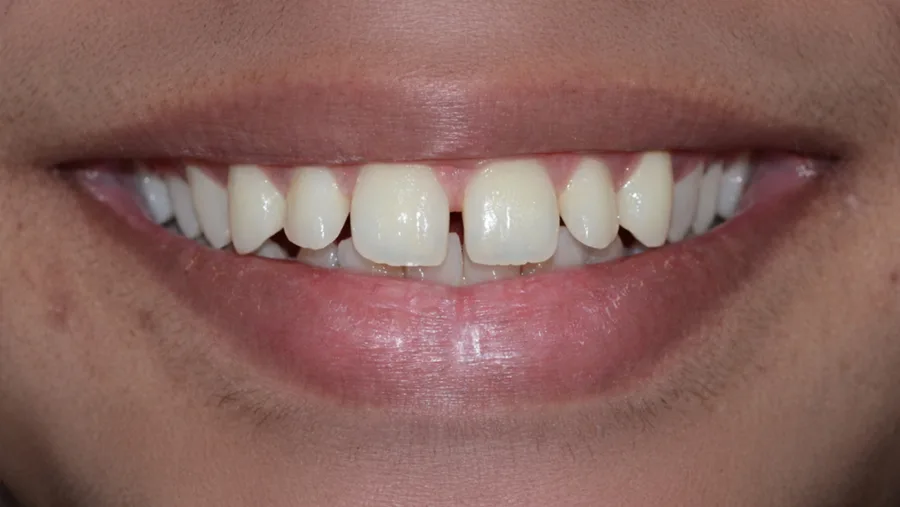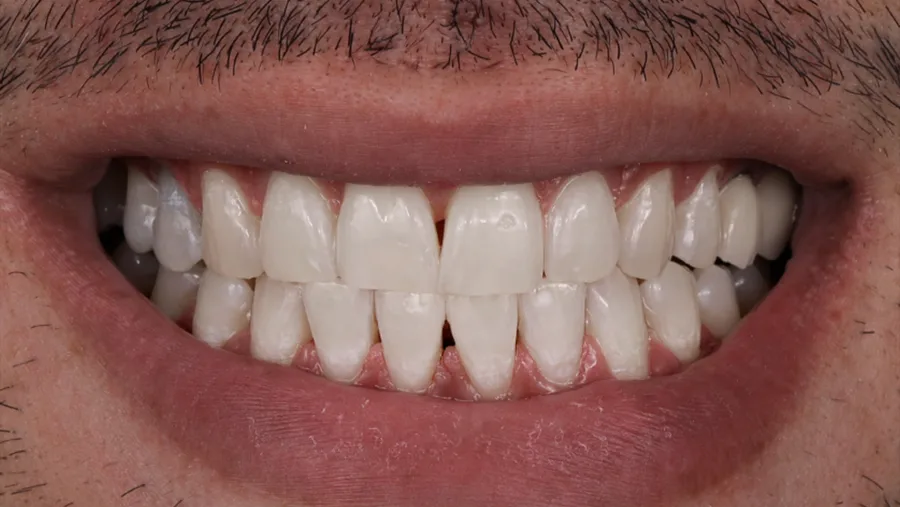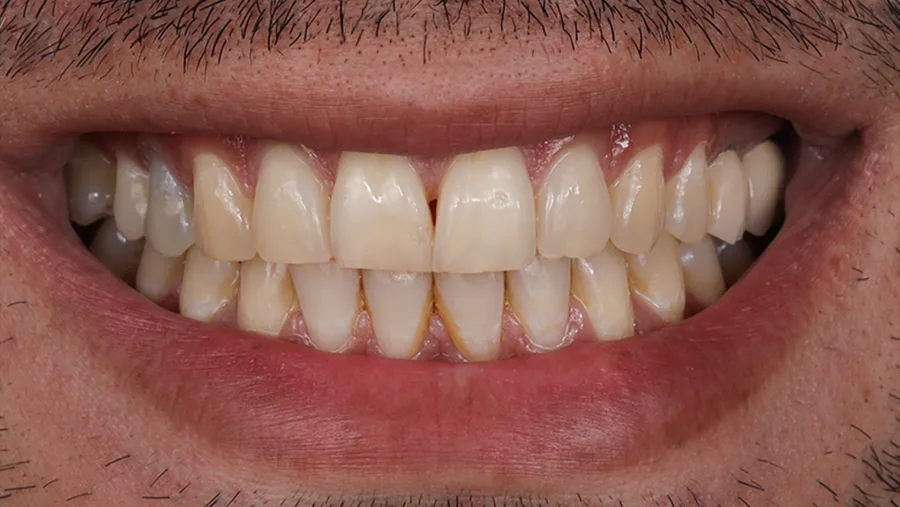
What can partial feldspathic veneers improve?
In carefully selected cases, they may be used to:
- Repair small chips or localised enamel fractures.
- Close small gaps between front teeth.
- Improve an undersized tooth or a localised shape irregularity.
- Rebuild selected worn edges after assessing the cause of wear.
- Improve symmetry between neighbouring teeth.
They are generally less suitable for widespread discolouration, large fractures, extensive decay, or major changes in tooth position.
Advantages of partial feldspathic veneers
Preservation of healthy enamel
Only the area requiring correction is restored. In suitable cases, preparation may be limited to minor smoothing or may not be needed.
Natural-looking detail
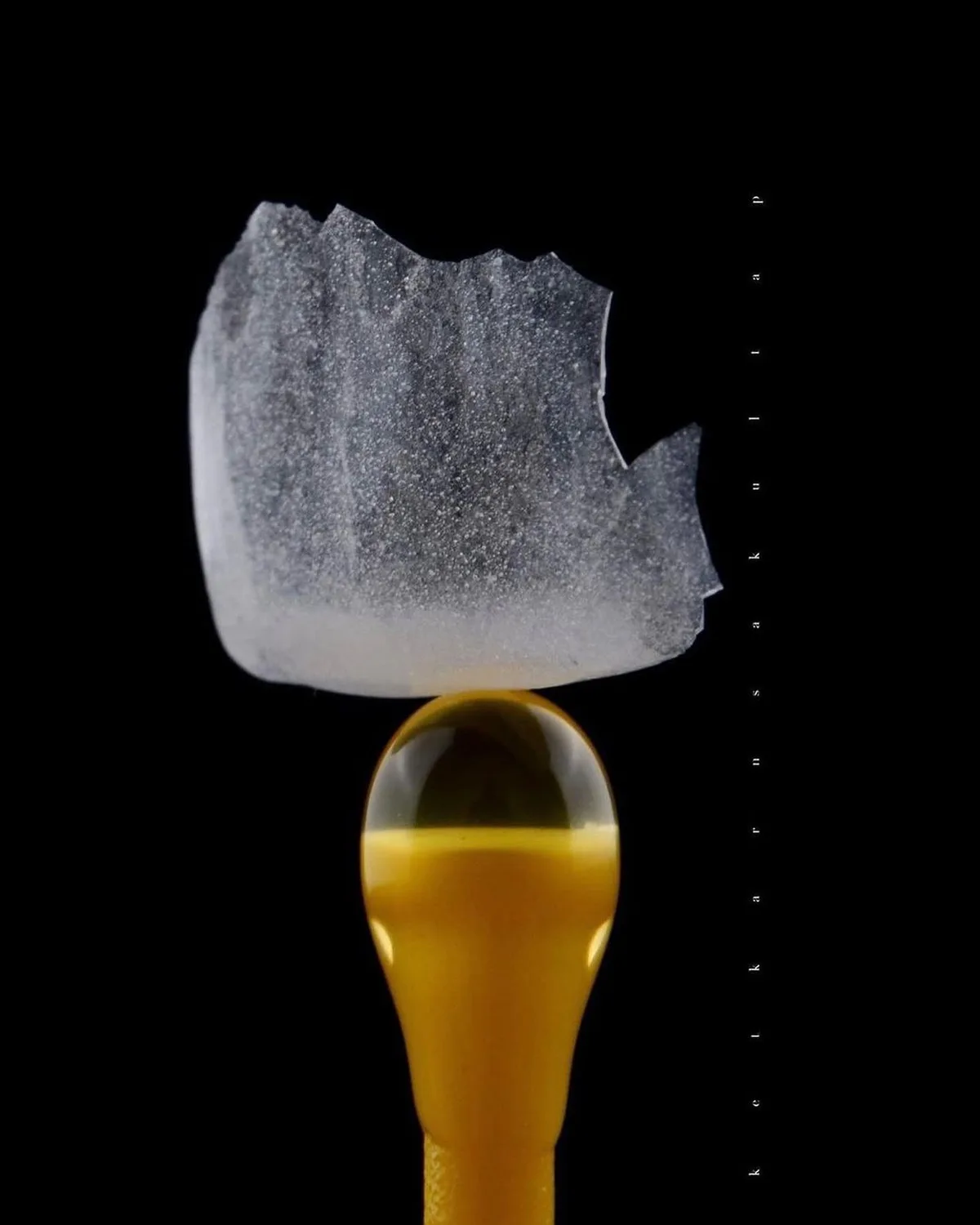
Layered porcelain allows the ceramist to reproduce subtle colour variations, surface texture, and translucent edge effects.
Targeted improvement
A small ceramic addition can improve a specific feature while retaining much of your tooth’s original appearance.
Colour stability
Dental porcelain generally maintains its colour well, although staining can still develop around the bonding margins or on adjacent natural teeth.
An alternative to a full veneer in selected cases
When the concern is localised, a partial veneer may avoid extending treatment across the whole visible tooth surface.
Who is suitable?
Partial feldspathic veneers are usually considered when sufficient healthy enamel remains for bonding and the proposed restoration can be supported without excessive bite forces.
Your dentist will assess:
- The size and location of the defect.
- The amount and quality of remaining enamel.
- Your bite and any grinding or clenching.
- Existing fillings and the health of the tooth.
- Whether the porcelain can blend naturally with the surrounding enamel.
Composite bonding or a fuller-coverage restoration may be more suitable for some teeth.
The treatment process
- 1
Consultation and smile assessment
Your dentist examines the teeth and gums, discusses your goals, and checks your bite. Digital scans and photographs may be taken to plan the restoration and communicate with the laboratory.
- 2
Design and preview
A diagnostic design or mock-up may be used to preview changes in shape, edge length, or gap closure. This helps assess whether adding porcelain will create a balanced result without making the tooth appear bulky.
- 3
Minimal preparation where needed
Small adjustments may be made to smooth damaged enamel, create space, or improve the transition between tooth and porcelain. Local anaesthetic is used when necessary.
Minimal preparation is not appropriate for every case. If enamel is removed, that alteration is irreversible.
- 4
Final scan or impression
A precise scan or impression records the tooth for laboratory fabrication. Shade information and photographs help the ceramist match the surrounding enamel. Temporary coverage is provided if clinically needed.
- 5
Laboratory crafting
The ceramist creates the partial veneer in feldspathic porcelain, carefully developing its shape, colour, and translucency. Blending a small restoration with uncovered enamel requires detailed planning and craftsmanship.
- 6
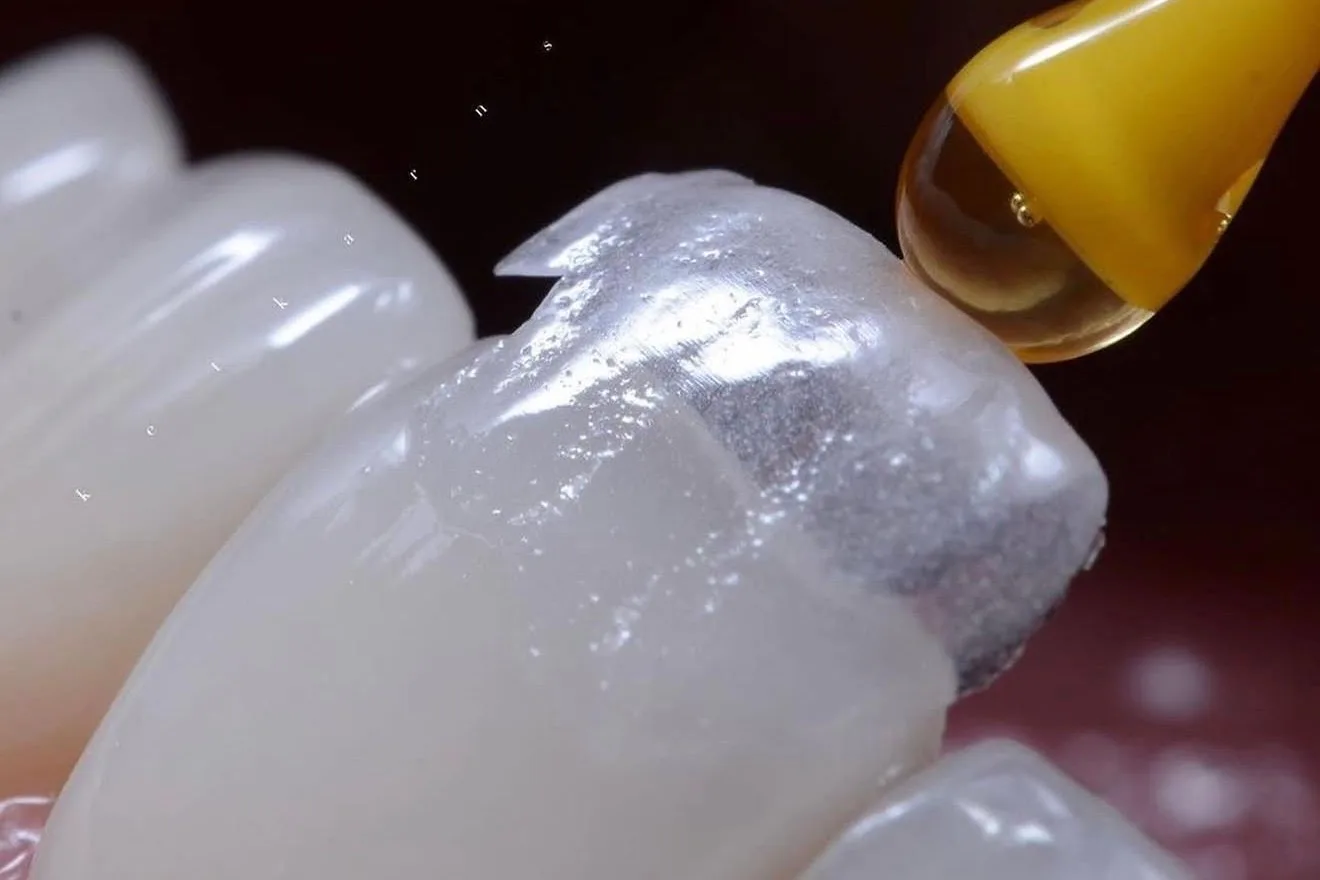
Try-in and bonding
Your dentist checks the fit, appearance, and bite before bonding. Once approved, the restoration is bonded under controlled conditions, and its margins are finished and polished.
- 7
Follow-up
A review may be arranged to assess comfort, function, gum health, and the appearance of the restoration.
How long does treatment take?
Treatment usually involves more than one appointment because the porcelain is custom-made in a laboratory. Your dentist will confirm the schedule according to the design, laboratory availability, and any adjustments required.
Limitations and possible risks
Partial feldspathic veneers are technique-sensitive. Possible complications include chipping, fracture, debonding, sensitivity, and visible or stained margins. Changes in the colour of the surrounding natural tooth may also affect the match over time.
Long-term clinical evidence is more limited for partial ceramic veneers than for conventional veneers, so a specific lifespan cannot be guaranteed. Careful case selection, bonding, and bite management are essential.
Aftercare
- Brush twice daily with fluoride toothpaste.
- Clean between your teeth every day.
- Avoid biting ice, pens, or other hard objects.
- Do not use your teeth to open packaging.
- Wear a protective night guard if recommended.
- Attend regular dental reviews.
- Contact the clinic if the restoration feels loose, chips, or becomes uncomfortable.
| Feature | Partial feldspathic veneers | Full feldspathic veneers | Composite bonding |
|---|---|---|---|
| Coverage | Selected area of the tooth | Most or all of the visible front surface | Selected areas as required |
| Material | Feldspathic porcelain | Feldspathic porcelain | Tooth-coloured composite resin |
| Typical purpose | Localised chips, small gaps, or shape corrections | Broader changes in colour, shape, and proportions | Localised repairs and cosmetic reshaping |
| Preparation | Minimal or none in suitable cases | Varies with the planned result | Often minimal, depending on the defect |
| Fabrication | Custom-made in a laboratory | Custom-made in a laboratory | Usually shaped directly on the tooth |
| Appointments | Usually more than one | Usually more than one | Often one |
| Appearance | Designed to blend with uncovered enamel | Allows control of the wider visible surface | Can blend well; may need periodic repolishing |
| Maintenance | May require repair or replacement | May require repair or replacement | May stain, wear, or chip; often repairable |
Coverage
- Partial feldspathic veneers
- Selected area of the tooth
- Full feldspathic veneers
- Most or all of the visible front surface
- Composite bonding
- Selected areas as required
Material
- Partial feldspathic veneers
- Feldspathic porcelain
- Full feldspathic veneers
- Feldspathic porcelain
- Composite bonding
- Tooth-coloured composite resin
Typical purpose
- Partial feldspathic veneers
- Localised chips, small gaps, or shape corrections
- Full feldspathic veneers
- Broader changes in colour, shape, and proportions
- Composite bonding
- Localised repairs and cosmetic reshaping
Preparation
- Partial feldspathic veneers
- Minimal or none in suitable cases
- Full feldspathic veneers
- Varies with the planned result
- Composite bonding
- Often minimal, depending on the defect
Fabrication
- Partial feldspathic veneers
- Custom-made in a laboratory
- Full feldspathic veneers
- Custom-made in a laboratory
- Composite bonding
- Usually shaped directly on the tooth
Appointments
- Partial feldspathic veneers
- Usually more than one
- Full feldspathic veneers
- Usually more than one
- Composite bonding
- Often one
Appearance
- Partial feldspathic veneers
- Designed to blend with uncovered enamel
- Full feldspathic veneers
- Allows control of the wider visible surface
- Composite bonding
- Can blend well; may need periodic repolishing
Maintenance
- Partial feldspathic veneers
- May require repair or replacement
- Full feldspathic veneers
- May require repair or replacement
- Composite bonding
- May stain, wear, or chip; often repairable
Small refinements, carefully planned.
Book a consultation at Elora Aesthetic Polyclinic to explore whether partial feldspathic veneers are suitable for your smile.