What Causes Tooth Sensitivity?
Dentin lies beneath the tooth’s protective outer layers and contains microscopic channels connected to the pulp. When dentin becomes exposed, temperature changes, touch or other triggers can cause a short, sharp sensation.
Common contributing factors include:
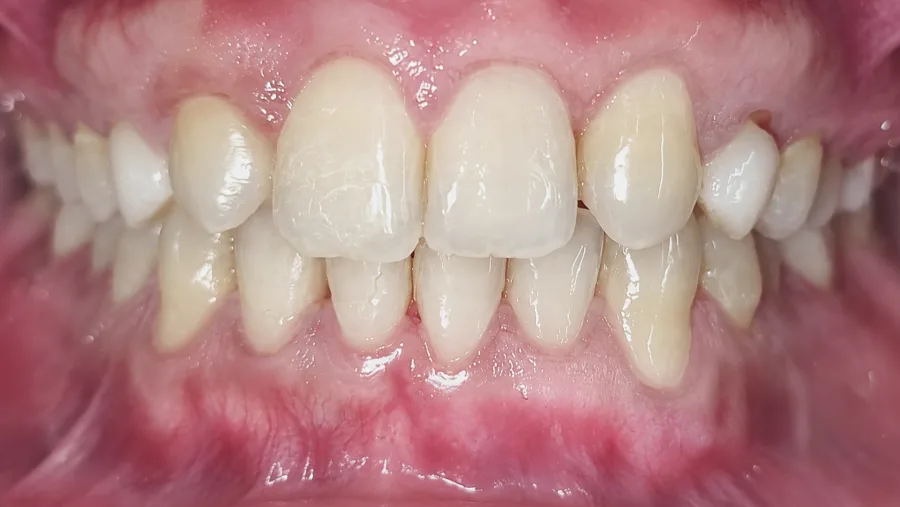
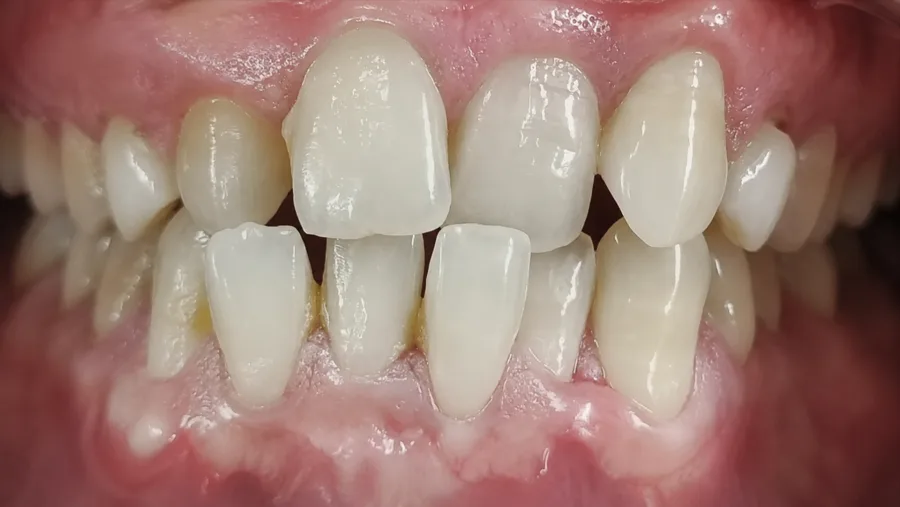
- Gum recession exposing root surfaces.
- Enamel wear or acid erosion.
- Brushing too forcefully or using abrasive products.
- Grinding or clenching associated with tooth wear.
- Temporary sensitivity after whitening or some dental procedures.
Your dentist will also check for cavities, damaged restorations, cracks and other conditions that require different treatment.
How Does Desensitising Treatment Work?
Depending on the product, treatment can help by:
- Reducing nerve responsiveness to sensitivity triggers.
- Blocking exposed dentin channels to limit the movement of fluid that stimulates the nerve.
- Covering vulnerable surfaces where a protective coating or restoration is appropriate.
The most suitable approach depends on the cause, severity and location of your symptoms.
Types of Tooth Desensitising Treatment
Tooth sensitivity can be managed with home-care products, professional applications or protective restorations. Your dentist first checks the cause, as decay, cracks and pulp inflammation can produce symptoms that resemble dentin sensitivity.
Desensitising Toothpaste
Often the first approach for exposed-dentin sensitivity, these toothpastes contain ingredients that reduce nerve responsiveness or help block microscopic channels in dentin.
Examples include potassium salts, stannous fluoride, arginine and calcium sodium phosphosilicate. Regular use is important, and improvement may develop gradually.
Professional Fluoride Treatment
A fluoride varnish or gel is applied to selected sensitive surfaces. It may help reduce sensitivity while also supporting protection against decay.
Repeat applications may be recommended according to your symptoms, cavity risk and response.
Professional Desensitising Agents
Specialised topical products are applied directly to exposed dentin to help seal its microscopic channels. Different formulations work in different ways, and selection depends on the tooth surface and any planned restorative treatment.
Relief varies, and further applications may be needed.
Dentin Sealants & Bonding
A dental adhesive or protective resin coating may be used to seal a sensitive area. Where tooth structure has been lost, a bonded composite restoration may provide coverage and rebuild the surface.
A filling is recommended only when clinically indicated, not automatically for every sensitive tooth.
Laser-Assisted Desensitising Treatment
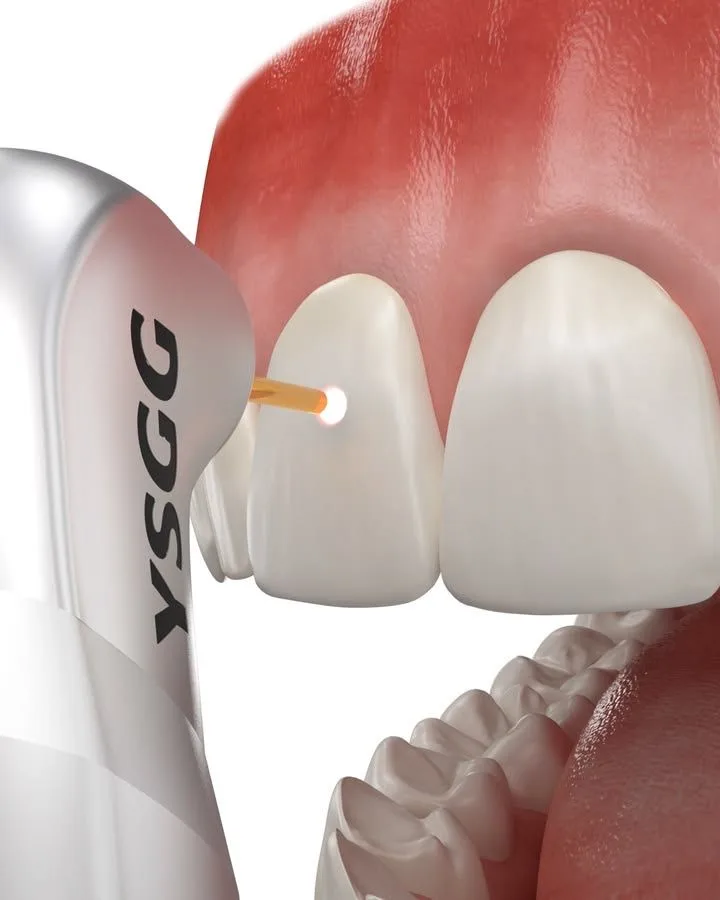
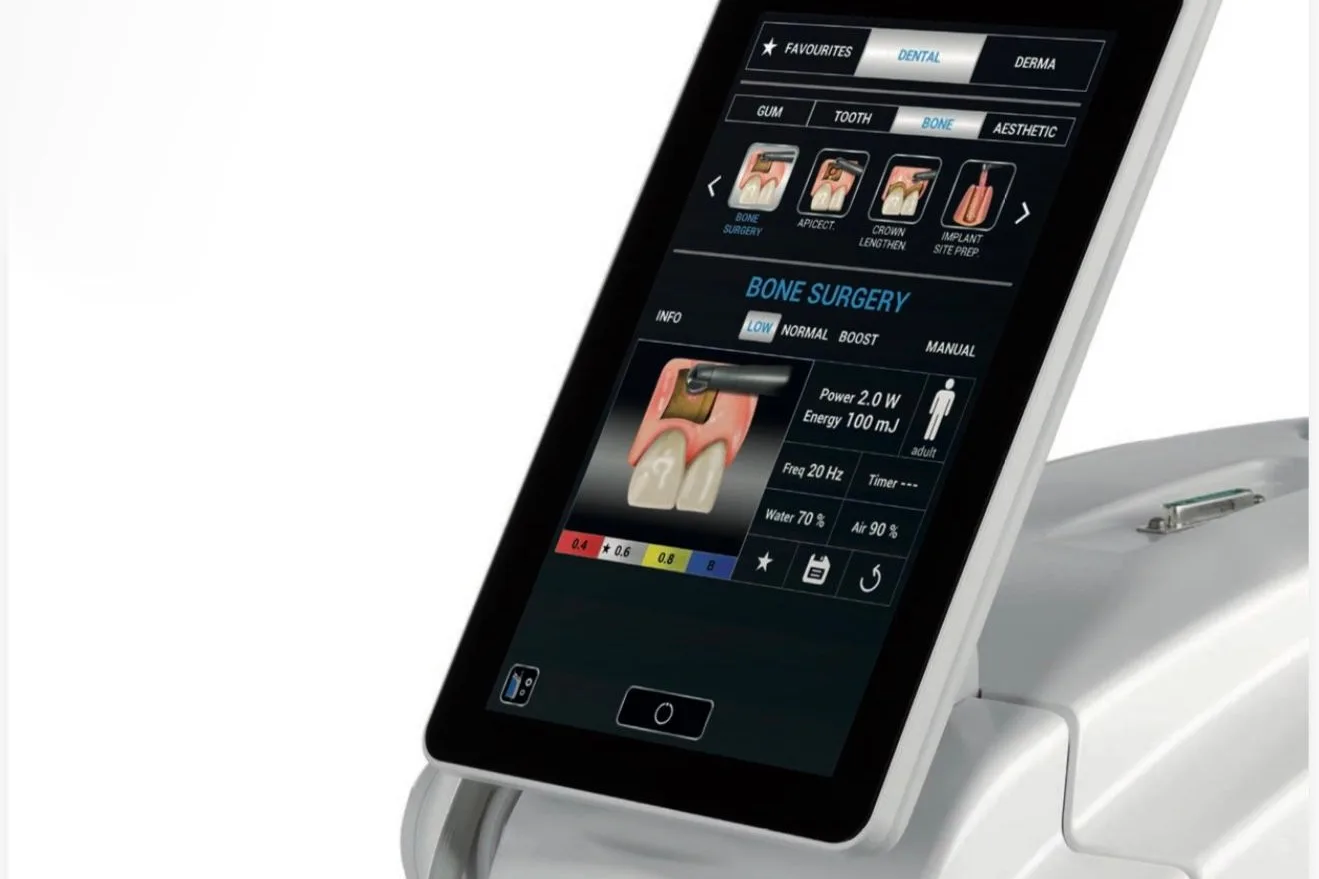
Selected dental lasers may be used to manage dentin hypersensitivity, either alone or alongside a topical treatment.
The intended effect depends on the laser system and settings. Studies report improvement with some protocols, but results vary, and laser treatment is not guaranteed to provide immediate or permanent relief. It does not replace treatment for decay, cracks or infection.
| Treatment | Main Approach | Key Consideration |
|---|---|---|
| Desensitising toothpaste | Reduces nerve responses or blocks dentin channels | Requires consistent home use |
| Fluoride varnish or gel | Professional application to sensitive surfaces | Repeat treatment may be needed |
| Topical desensitising agent | Helps seal exposed dentin channels | Product selection is case-dependent |
| Sealant or bonding | Covers a vulnerable surface | Requires suitable conditions for bonding |
| Laser-assisted treatment | Uses a selected laser protocol to reduce sensitivity | Response and supporting evidence vary by protocol |
Desensitising toothpaste
- Main Approach
- Reduces nerve responses or blocks dentin channels
- Key Consideration
- Requires consistent home use
Fluoride varnish or gel
- Main Approach
- Professional application to sensitive surfaces
- Key Consideration
- Repeat treatment may be needed
Topical desensitising agent
- Main Approach
- Helps seal exposed dentin channels
- Key Consideration
- Product selection is case-dependent
Sealant or bonding
- Main Approach
- Covers a vulnerable surface
- Key Consideration
- Requires suitable conditions for bonding
Laser-assisted treatment
- Main Approach
- Uses a selected laser protocol to reduce sensitivity
- Key Consideration
- Response and supporting evidence vary by protocol
Treating the Underlying Cause
Desensitising products are only part of the plan when another condition contributes to symptoms. Additional care may include:
- Gum treatment: To manage inflammation or assess exposed roots.
- A night guard: To help protect teeth where grinding contributes to wear.
- Restorative treatment: To repair decay, damaged fillings or worn surfaces.
- Selected root-coverage procedures: Where gum recession warrants specialist treatment.
Root canal treatment is not a routine treatment for ordinary sensitivity; it is considered only when the diagnosis and clinical findings justify it.
Your Treatment Plan
- 1
Assessment
Identify the triggers and rule out other causes of pain.
- 2
Initial care
Improve brushing technique, address dietary contributors and introduce an appropriate sensitivity toothpaste.
- 3
Professional treatment
Apply a suitable agent or protective treatment where indicated.
- 4
Review
Assess improvement and investigate persistent symptoms before changing treatment.
Potential Benefits
For appropriately diagnosed dentin sensitivity, treatment may:
- Reduce discomfort from cold, touch and other triggers.
- Make brushing and daily cleaning more comfortable.
- Protect exposed surfaces where suitable.
- Help manage contributing habits.
- Improve comfort during everyday eating and drinking.
The degree and duration of relief vary. No single treatment works for every patient.
When Will I Notice Improvement?
Some professional treatments may provide early relief, while toothpaste-based approaches often require repeated use over several weeks. Further applications or ongoing maintenance may be needed.
If symptoms persist or worsen, the diagnosis should be reviewed rather than repeatedly applying desensitising products.
Caring for Sensitive Teeth
- Brush gently with a soft-bristled toothbrush.
- Use fluoride toothpaste, choosing a sensitivity formulation if advised.
- Avoid highly abrasive toothpaste and aggressive scrubbing.
- Reduce frequent exposure to acidic foods and drinks.
- Follow your dentist’s advice about whitening.
- Attend regular dental reviews.
Desensitising products do not replace treatment for decay, cracks or infection.
When Does Sensitivity Need Prompt Assessment?
Arrange a dental review if you have:
- Pain that lingers after a hot or cold trigger.
- Spontaneous pain or pain that wakes you.
- Pain when biting.
- A broken tooth or lost filling.
- Swelling, discharge or a worsening toothache.
These symptoms may indicate a problem beyond simple dentin sensitivity.
Frequently asked questions
Is tooth sensitivity always caused by a cavity?
No. Exposed dentin, gum recession and enamel wear are common causes, but decay must be ruled out.
Is desensitising treatment permanent?
Not always. Relief may need maintenance, particularly if the contributing cause continues.
Can sensitivity happen after whitening or cleaning?
Yes. Temporary sensitivity can occur, but persistent or severe symptoms should be checked.
Will I need root canal treatment?
Most dentin sensitivity is managed conservatively. Root canal treatment is considered only when the diagnosis and clinical findings justify it.
More in Laser Treatment