How Does Laser-Assisted Removal Work?
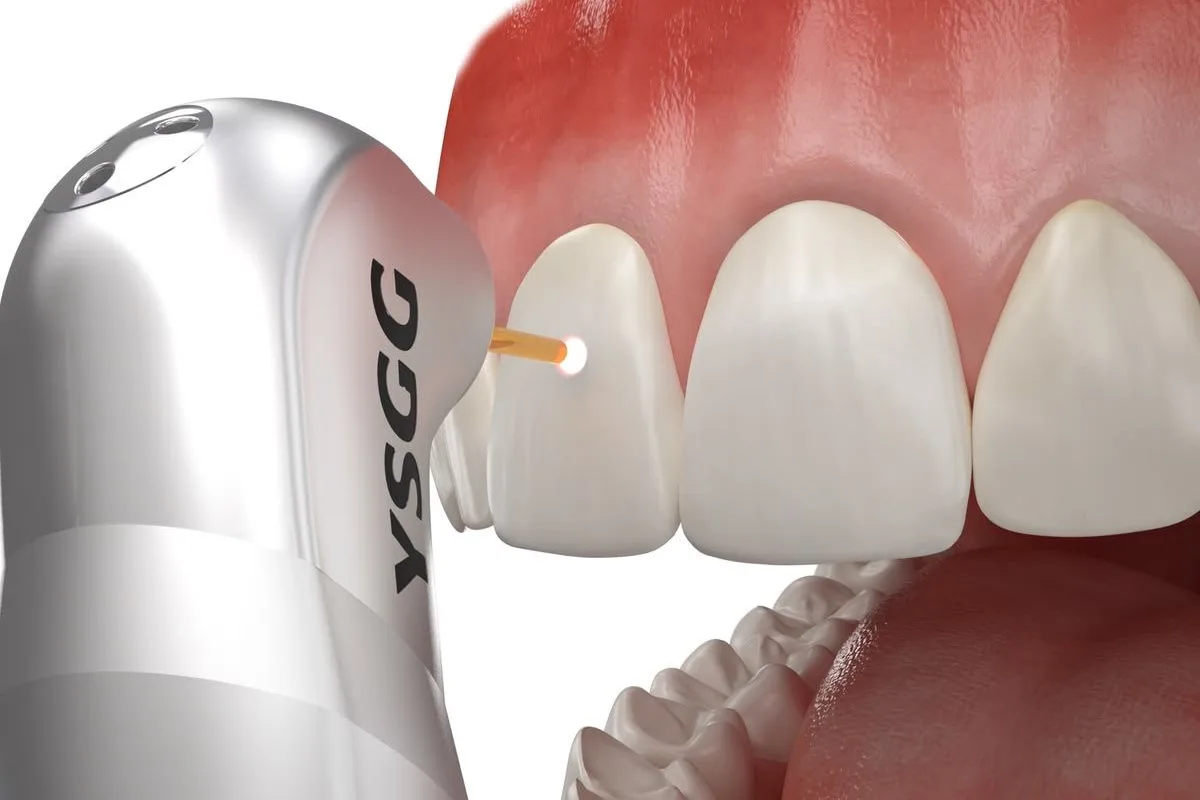
Suitable erbium dental lasers, such as Er or Er,Cr systems, can transmit energy through certain ceramics. The absorbed energy disrupts the underlying cement, helping release the restoration.
The response depends on the ceramic’s composition, thickness and translucency, as well as the cement used. Your dentist selects the technique and settings according to the individual restoration.
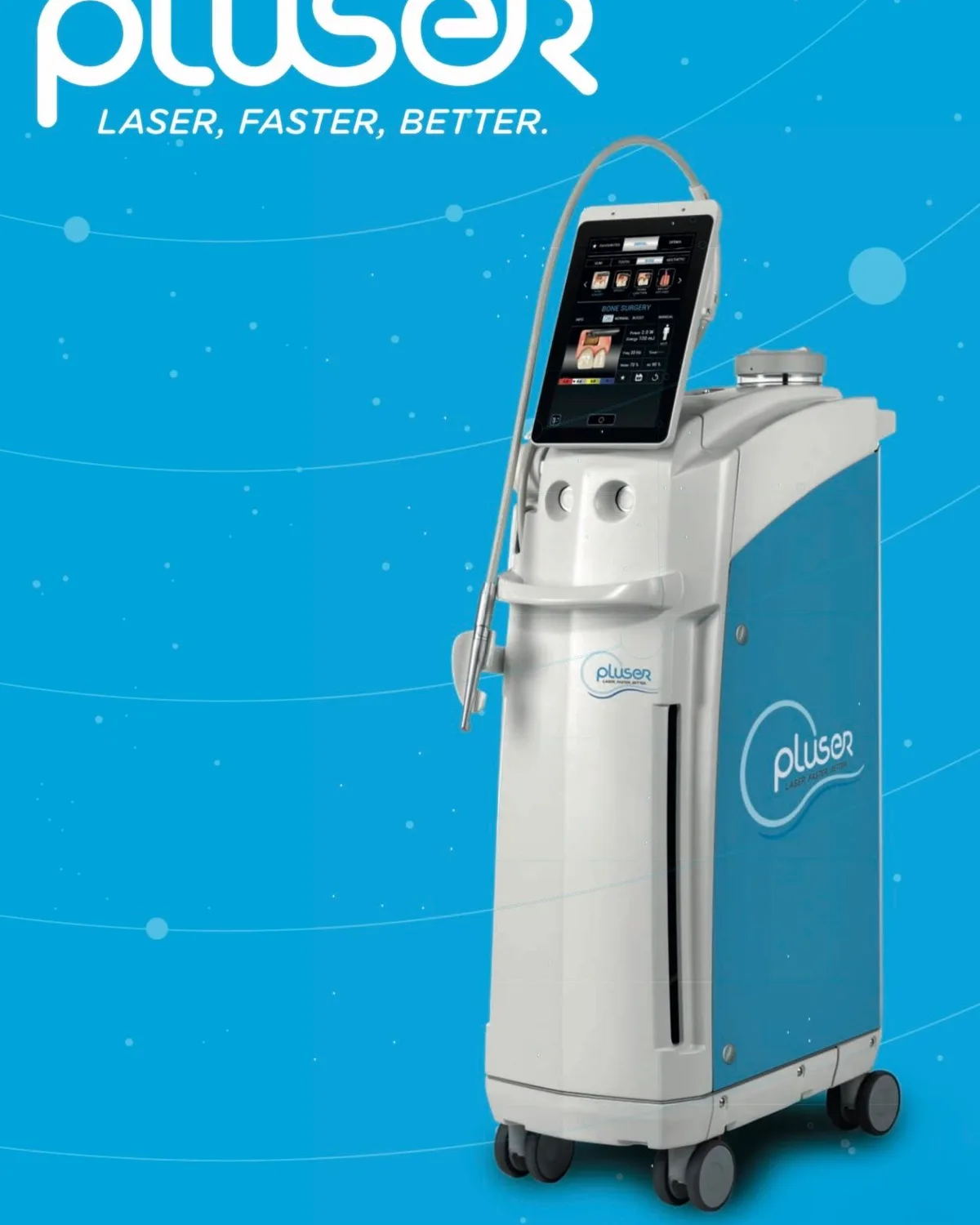
Not every dental laser can perform this procedure. Gum-treatment lasers and other laser systems should not be assumed to have the same ceramic-removal capabilities.
When Might Removal Be Needed?
Your dentist may recommend removing a restoration because of:
- Decay or leakage beneath its margins.
- A fracture, poor fit or repeated loosening.
- A need to assess the supporting tooth.
- Access requirements for further dental treatment.
- A planned replacement to improve function or appearance.
Removal is not always necessary. For example, some root canal procedures can be performed through an existing crown if its condition and fit remain satisfactory.
Which Restorations May Be Suitable?
Laser-assisted removal may be considered for selected:
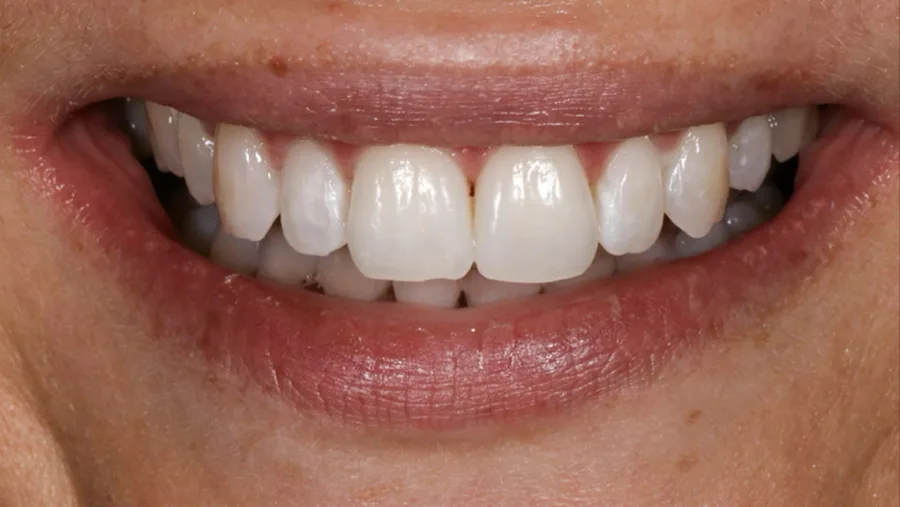
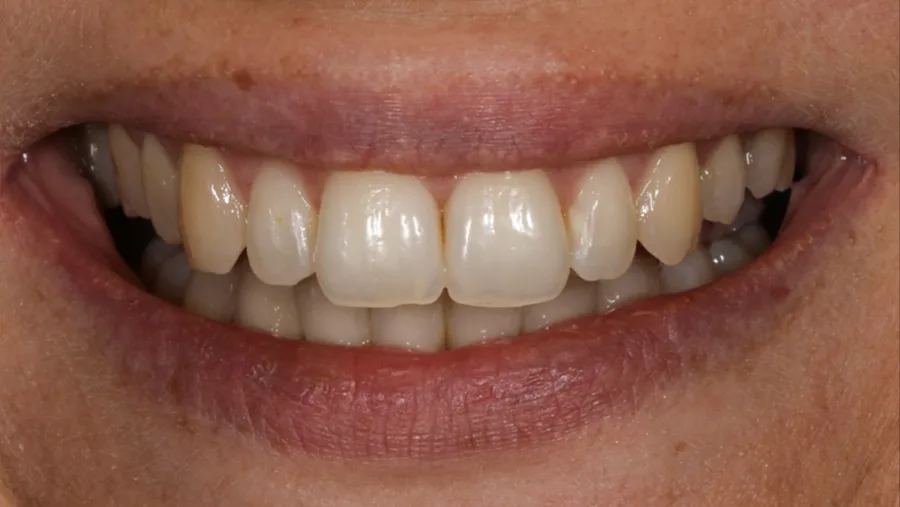
- Ceramic veneers, including some lithium disilicate and feldspathic restorations.
- All-ceramic crowns.
- Ceramic bridges.
- Implant-supported ceramic restorations.
Suitability must be checked individually. Metal-containing restorations, thick or opaque ceramics and certain cement systems may require a different approach. Conventional instruments or controlled sectioning may still be needed.
Potential Benefits
For an appropriate case, laser-assisted removal may:
- Reduce the need to cut through the ceramic.
- Help preserve underlying tooth structure.
- Allow a restoration to be retrieved intact.
- Improve access for assessment or further treatment.
These are potential benefits, not guarantees. An intact restoration may still be unsuitable for reuse because of decay, poor fit, damage or changes to the treatment plan.
Your Treatment Journey
- 1
Consultation & Assessment
Your dentist examines the restoration, surrounding gums and supporting teeth. X-rays and previous treatment records may help identify the material, cement, underlying condition and reason for removal.
- 2
Removal & Replacement Planning
The proposed removal method, alternatives and likely replacement needs are discussed before treatment. Temporary protection is planned where necessary.
- 3
Laser-Assisted Debonding
Appropriate eye protection and clinical safety measures are used. Local anaesthesia is provided where needed. Laser energy is applied using controlled settings and cooling appropriate to the system and restoration.
- 4
Careful Retrieval
The restoration is assessed for loosening and removed when possible. If laser-assisted release is unsuccessful or unsuitable, your dentist may use additional instruments or section the restoration.
- 5
Tooth Assessment & Protection
Remaining cement is cleaned away, and the supporting tooth or implant components are examined. Any decay, fracture or other problem is addressed.
A temporary veneer, crown or bridge may be provided while further treatment or a replacement restoration is arranged.
What Happens After Removal?
The next step depends on the findings. Options may include:
- Rebonding a suitable, undamaged restoration.
- Repairing or replacing the restoration.
- Treating decay or rebuilding the tooth.
- Root canal treatment or retreatment.
- An alternative replacement if the supporting tooth cannot be saved.
Removing a veneer or crown does not reverse the original tooth preparation. Prepared teeth commonly continue to need restorative coverage.
Important Considerations
Possible risks include sensitivity, discomfort, ceramic fracture, damage to the supporting tooth or restoration, and heat-related tissue injury. Careful case selection, appropriate cooling and controlled laser parameters are essential.
Underlying problems may become apparent only after removal and may change the treatment plan. A damage-free, painless or intact removal cannot be guaranteed.
Frequently asked questions
Can my veneer or crown be reused?
Sometimes, if it is retrieved intact and remains clinically suitable. Reuse cannot be confirmed in advance.
Can every crown or bridge be removed by laser?
No. The material, thickness, cement and supporting structures determine suitability.
Is it always faster than conventional removal?
No. Removal time varies considerably, particularly for thicker restorations and bridges.
Will I receive a replacement on the same day?
A temporary restoration may be possible. The timing of the final replacement depends on the tooth’s condition, further treatment and laboratory requirements.
Discuss Your Restoration Options
More in Laser Treatment