Who Should Wear a Sports Mouthguard?
Mouthguards are recommended for children and adults participating in activities where falls, collisions or blows to the mouth may occur, including:
- Boxing, martial arts and combat sports.
- Rugby, football, basketball and hockey.
- Skateboarding, skating and gymnastics.
- Other sports with a risk of dental injury.
Protection matters during training and practice as well as competition. Even occasional participation can carry a risk of injury.
Why Choose a Custom-Made Mouthguard?
Individual fit
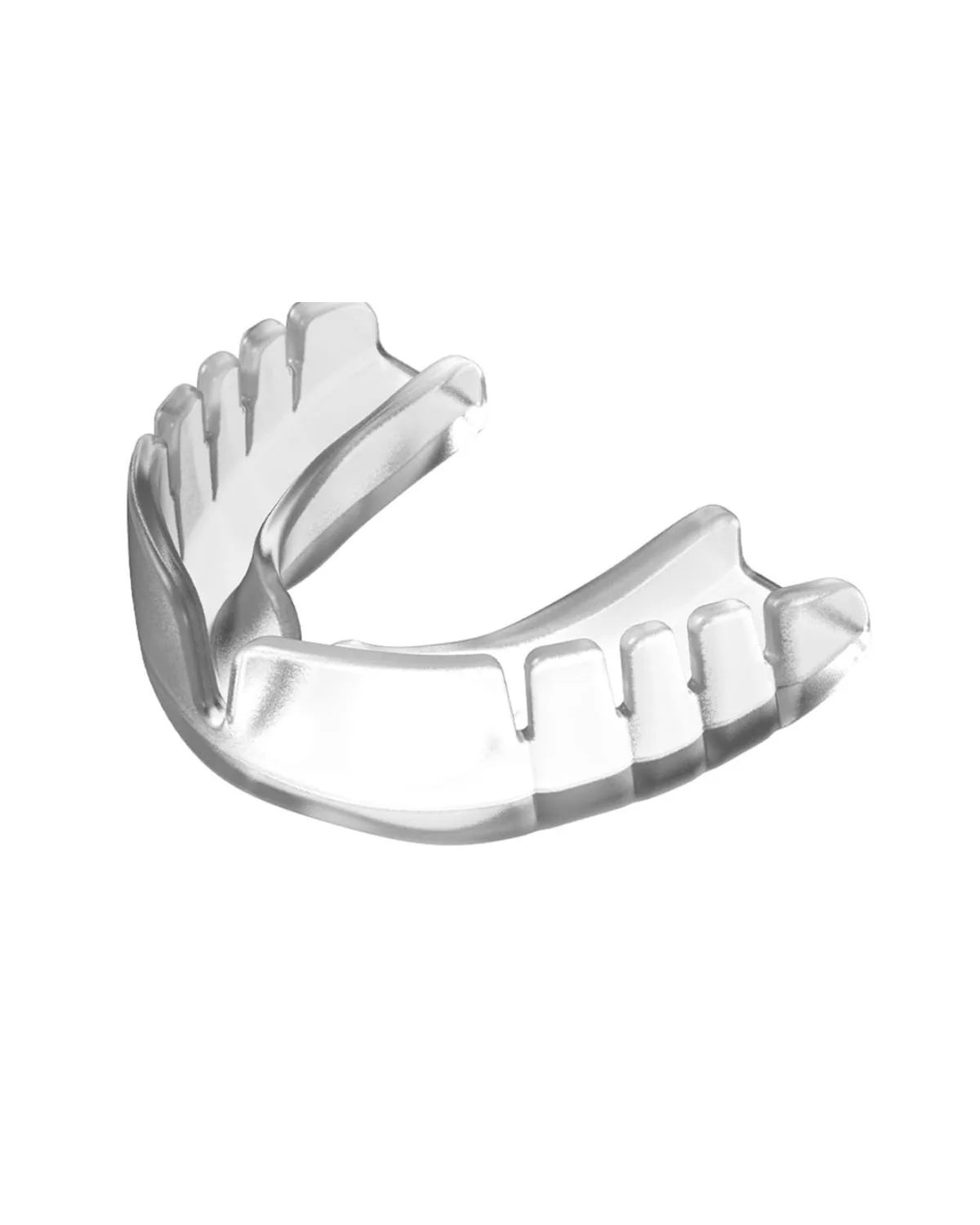
Made from an impression or digital scan of your teeth, rather than a standard shape.
Secure retention
A well-fitted mouthguard should remain in position without constant clenching.
Comfort and usability
The fit is checked to allow breathing and communication as comfortably as possible.
Sport-specific design
Thickness, coverage and construction can be selected according to the activity and expected impact risk.
Professional assessment
Your dentist considers existing restorations, orthodontic appliances and any history of dental injury before recommending a design.
Your Treatment Journey
- 1
Consultation & Assessment
Your dentist examines your teeth, gums and bite and discusses the sports you play. Braces, crowns, bridges, implants and previous injuries are considered when planning the mouthguard.
- 2
Impressions or Digital Scans
Records of your teeth are taken to create a personalised fit.
- 3
Custom Fabrication
The mouthguard is manufactured using suitable protective materials, with its design and thickness tailored to your needs.
- 4
Fitting & Adjustment
Your dentist checks retention, coverage, comfort and the way your teeth meet against the appliance. Any necessary adjustments are made.
- 5
Care Instructions & Reviews
You receive instructions on wearing, cleaning, storage and replacement. Bring the mouthguard to dental reviews so its condition and fit can be assessed.
Fabrication and fitting times depend on the design and laboratory availability.
| Feature | Custom-Made | Boil-and-Bite | Stock / Ready-Made |
|---|---|---|---|
| Fit | Individually made from dental records | Softened and moulded by the user | Supplied in a standard shape |
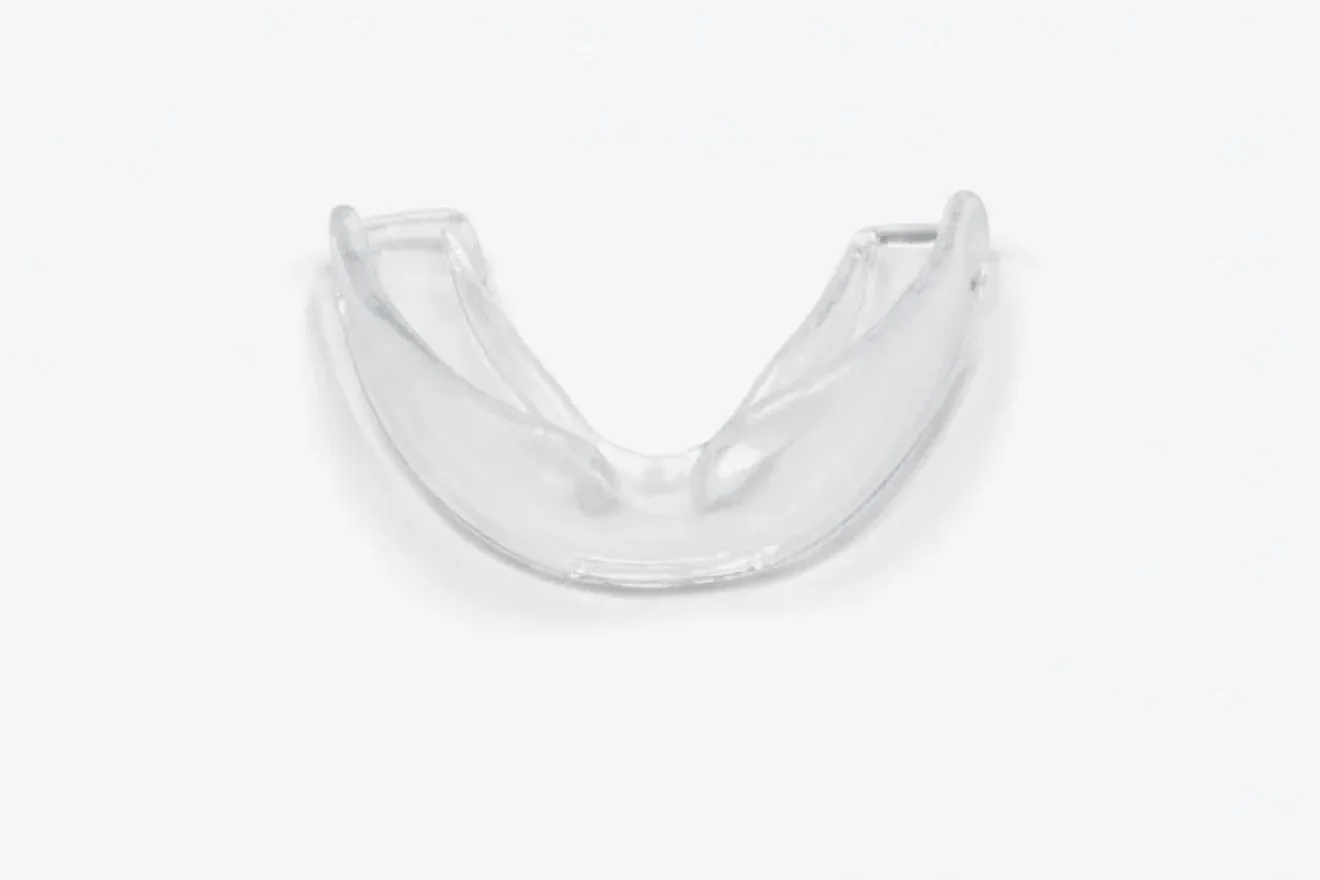
| Retention | Designed for your teeth and checked professionally | Depends on moulding and product design | Often less secure |
| Comfort | Can be adjusted to your mouth | Variable | May feel bulky |
| Design | Can be tailored to the sport and dental needs | Limited to the product’s design | Limited customisation |
| Professional review | Assessment and fitting form part of treatment | Dental advice is useful, especially with braces or restorations | Dental advice is useful if fit is poor |
Fit
- Custom-Made
- Individually made from dental records
- Boil-and-Bite
- Softened and moulded by the user
- Stock / Ready-Made
- Supplied in a standard shape
Retention
- Custom-Made
- Designed for your teeth and checked professionally
- Boil-and-Bite
- Depends on moulding and product design
- Stock / Ready-Made
- Often less secure
Comfort
- Custom-Made
- Can be adjusted to your mouth
- Boil-and-Bite
- Variable
- Stock / Ready-Made
- May feel bulky
Design
- Custom-Made
- Can be tailored to the sport and dental needs
- Boil-and-Bite
- Limited to the product’s design
- Stock / Ready-Made
- Limited customisation
Professional review
- Custom-Made
- Assessment and fitting form part of treatment
- Boil-and-Bite
- Dental advice is useful, especially with braces or restorations
- Stock / Ready-Made
- Dental advice is useful if fit is poor
A mouthguard’s effectiveness depends on its fit, coverage, condition and consistent use, not simply its label.
Can I Wear One with Braces or Dental Restorations?
Yes, but the design needs careful assessment. A mouthguard worn over braces must accommodate the appliance and planned tooth movement. Growing children and patients undergoing orthodontic treatment may need more frequent fit checks and replacement.
If you have veneers, crowns, bridges or implants, tell your dentist so these can be considered in the design.
Caring for Your Mouthguard
- Rinse it before and after use.
- Clean it according to your dentist’s and the manufacturer’s instructions.
- Allow it to dry and store it in a ventilated protective case.
- Keep it away from hot water, direct sunlight and hot cars.
- Do not chew or deliberately distort it.
- Check regularly for tears, thinning, sharp edges or a loose fit.
- Never share your mouthguard.
Arrange a review if it becomes damaged, uncomfortable or no longer fits properly. Replacement may be needed after growth, tooth movement or dental treatment.
Important Considerations
A mouthguard reduces risk but cannot prevent every dental or facial injury. It does not replace a helmet, face protection or other equipment required for your sport.
A mouthguard is not proven protection against concussion; the evidence remains uncertain. Any suspected concussion requires appropriate medical assessment.
Frequently asked questions
Is a sports mouthguard the same as a night guard?
No. A sports mouthguard is designed to cushion impacts. A night guard is prescribed for a different purpose, such as managing tooth wear associated with grinding. They should not be used interchangeably without professional advice.
Will it make breathing difficult?
A properly fitted mouthguard should allow adequate breathing. If it feels obstructive or repeatedly comes loose, have the fit checked.
How long will it last?
There is no single replacement interval. Lifespan depends on wear, care, growth, dental changes and the demands of your sport.
Should I wear it during practice?
Yes. Injuries can happen during training as well as competition.
Protect Your Smile Before You Play
Contact Elora Aesthetic Polyclinic, Dubai, to arrange an assessment for a custom sports mouthguard.
The appropriate design and level of protection depend on your sport, dental condition and individual needs.
More in Orthodontic Dentistry