How Do Clear Aligners Work?
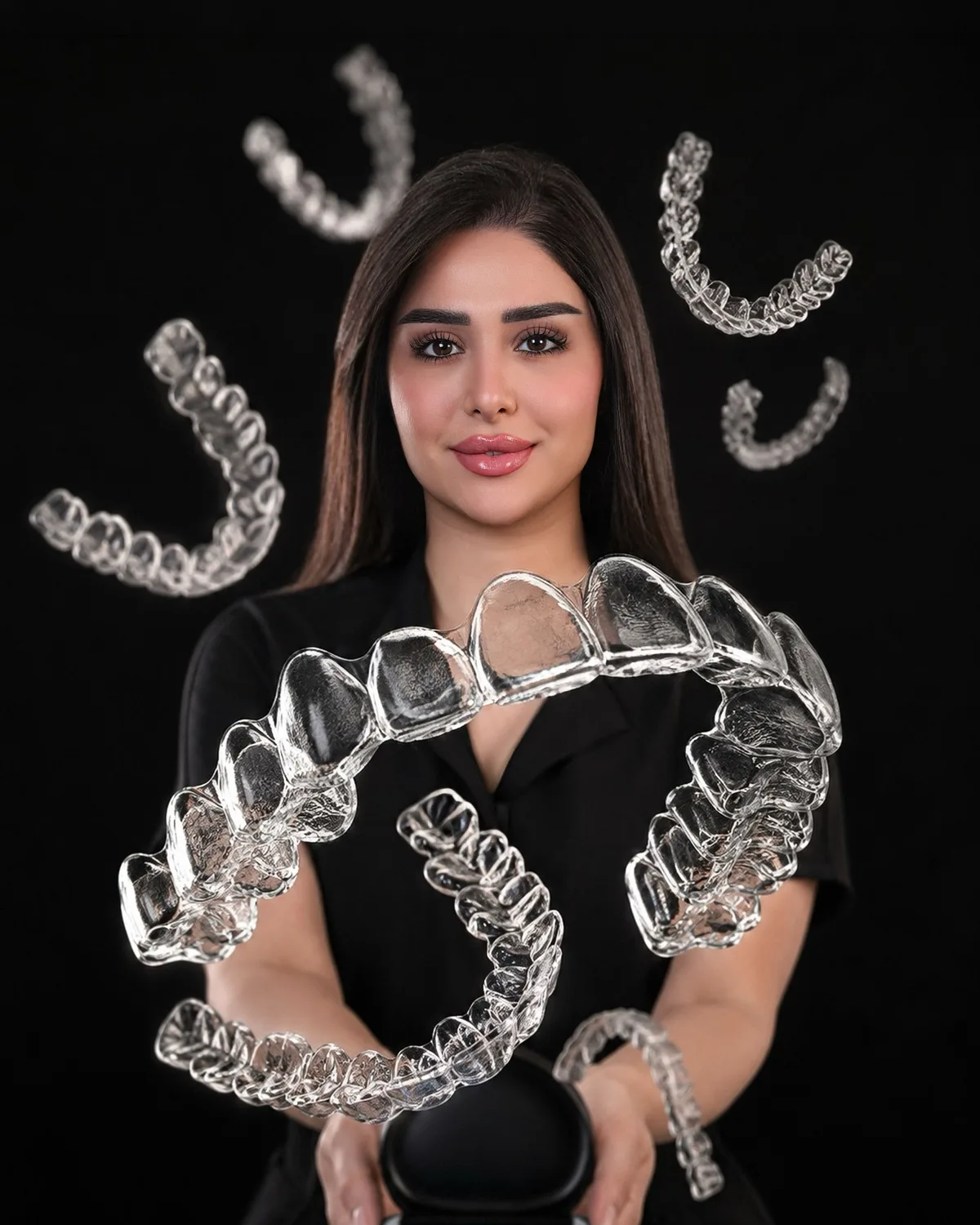
A series of aligners applies controlled forces to move teeth in small stages. Each set is worn for the period prescribed by your clinician before progressing to the next.
Aligners usually need to be worn for approximately 20–22 hours per day, depending on the system and your clinician’s instructions. They are removed for meals, oral hygiene and drinks other than plain water. Consistent wear is essential for treatment to progress as planned.
What Can Clear Aligners Treat?
Clear aligners may be suitable for:
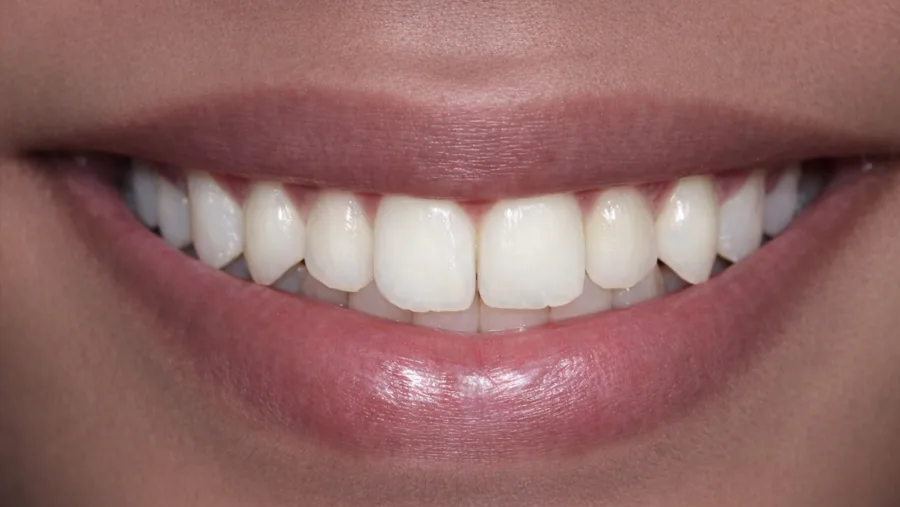
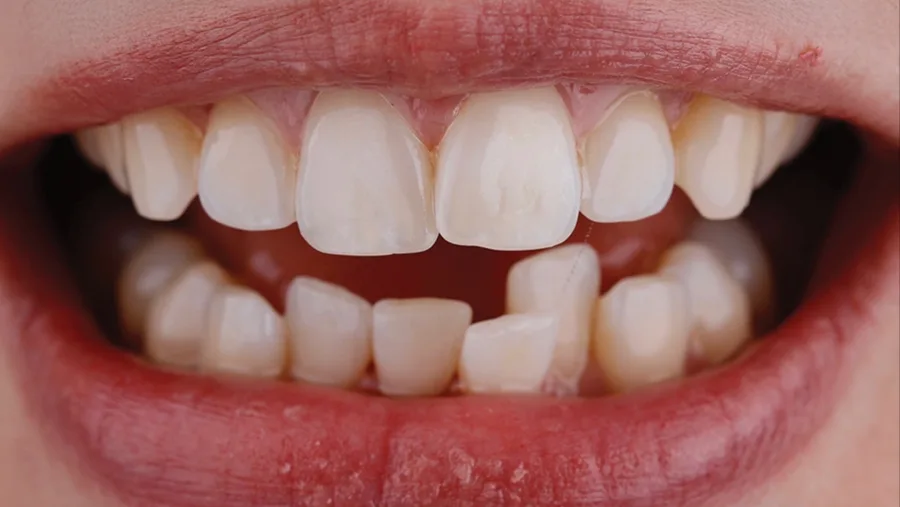
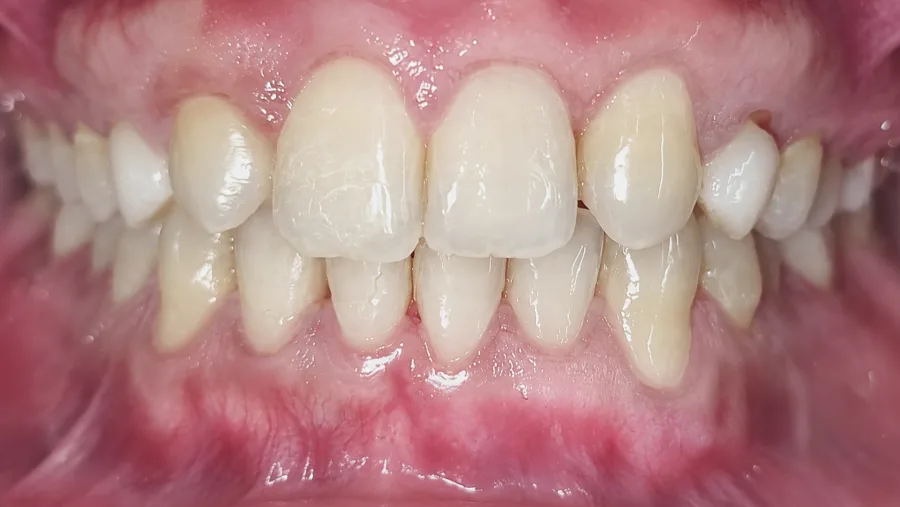
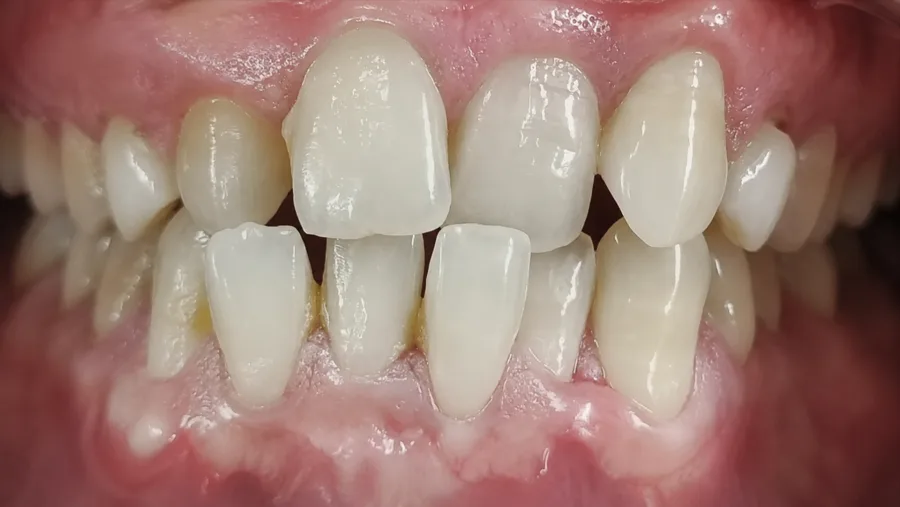
- Crowded or overlapping teeth.
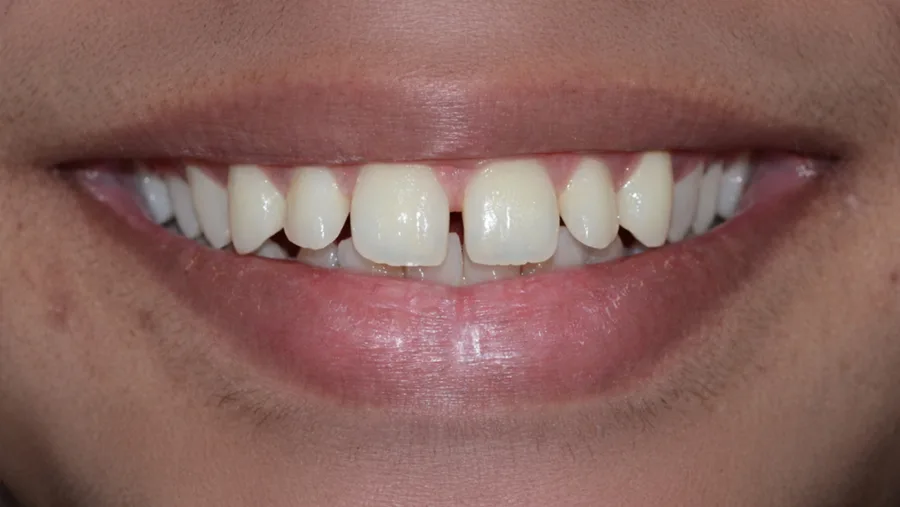
- Gaps between teeth.
- Selected rotated or tilted teeth.
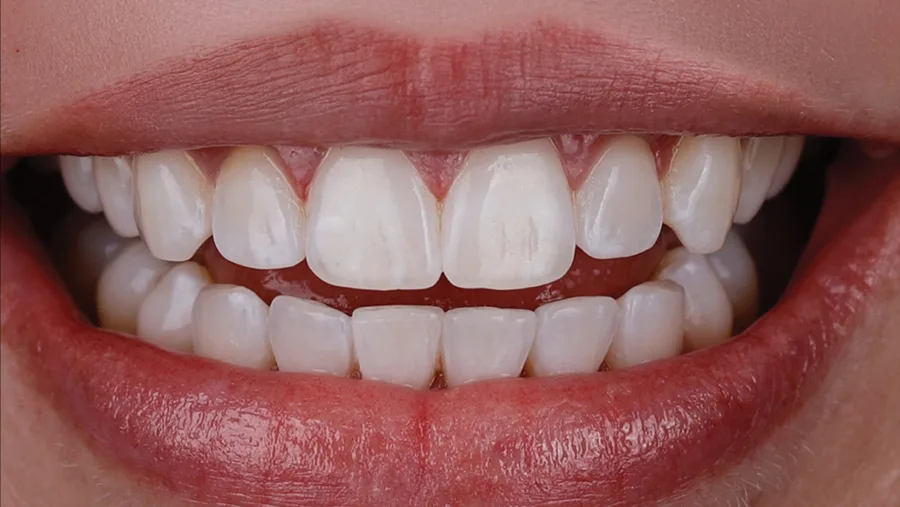
- Certain overbite, underbite, open-bite and crossbite concerns.
- Teeth that have moved after previous orthodontic treatment.
Some complex tooth movements or jaw discrepancies may require fixed braces, additional appliances or a different treatment approach. An examination is needed before suitability can be confirmed.
Benefits of Clear Aligners
Discreet appearance
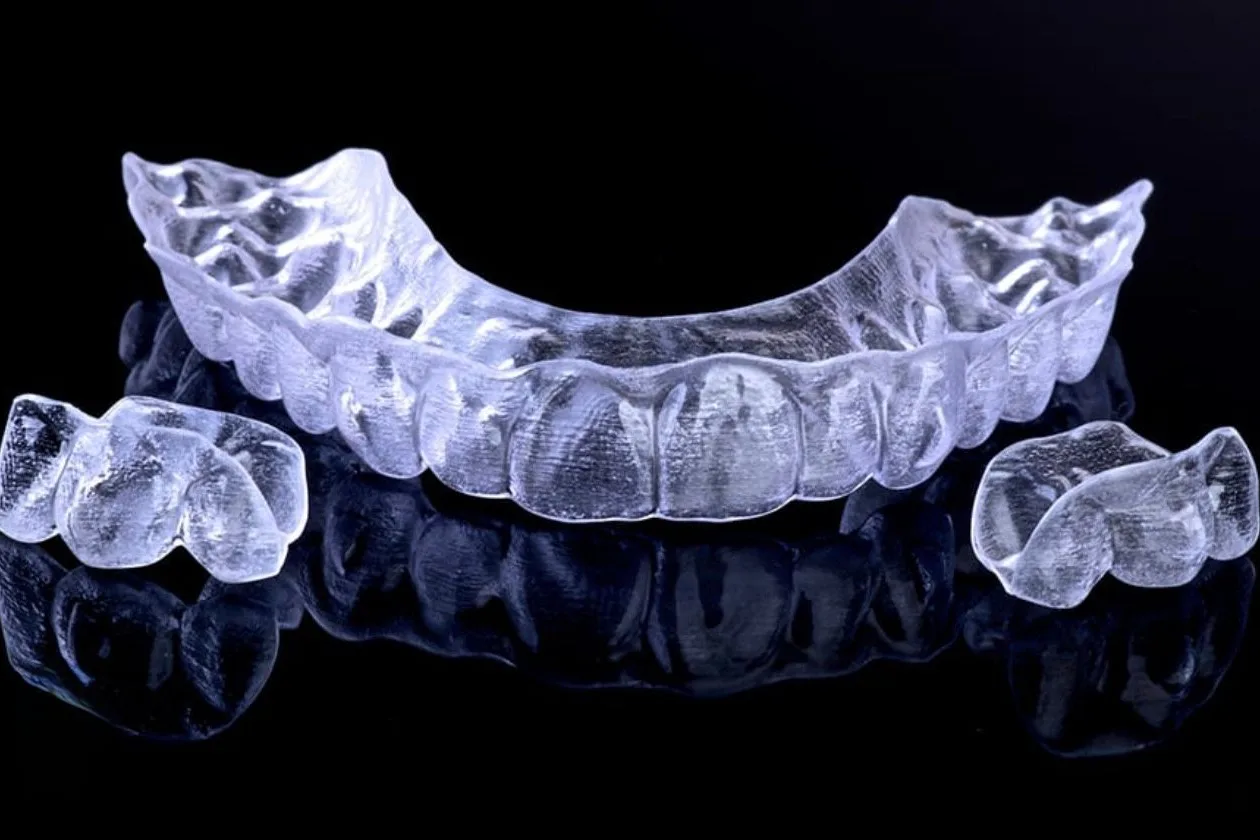
Transparent trays are generally less noticeable than conventional metal braces.
Removable for meals
You can remove the aligners to eat, then clean your teeth before putting them back in.
Access for daily cleaning
Removing the trays allows you to brush and clean between your teeth without working around brackets and wires.
Individually planned treatment
Your aligners are designed around your prescribed tooth movements. Digital simulations can help explain the intended changes, although they are not a guarantee of the final result.
Your Treatment Journey
- 1
Consultation & Assessment
Your clinician examines your teeth, gums and bite and reviews your dental history. Photographs, digital scans or impressions, and appropriate X-rays support diagnosis and planning. Decay and gum disease should be addressed before treatment.
- 2
Digital Treatment Planning
The proposed movements, expected duration, limitations and alternatives are discussed. Your clinician also explains whether attachments, space creation or additional appliances may be needed.
- 3
Custom Aligner Fabrication
Your aligners are manufactured according to the approved prescription. Production and delivery times vary by system and case.
- 4
Fitting & Wear Instructions
The first aligners are checked for fit. You receive instructions on insertion, removal, cleaning, daily wear and when to change trays.
- 5
Progress Reviews
Regular reviews allow your clinician to monitor tooth movement, gum health and aligner fit. Additional scans or refinement aligners may be needed if teeth do not move as expected.
- 6
Retainers
Once active treatment is complete, retainers help maintain the new tooth positions. Long-term retainer wear, according to your clinician’s instructions, is important because teeth can move again.
Will I Need Attachments or Other Procedures?
Some treatment plans require:
- Attachments: Small, tooth-coloured composite shapes bonded to selected teeth to help the aligners achieve particular movements.
- Interproximal reduction (IPR): Carefully controlled removal of a small amount of enamel between selected teeth to create space.
Not everyone needs these measures. Their purpose, benefits and risks should be explained before treatment.
How Long Does Treatment Take?
Treatment generally takes several months, while more complex cases may take considerably longer. Your clinician will provide an individual estimate after assessment.
The schedule depends on the movements required, biological response and daily wear.
More in Orthodontic Dentistry