Why Is a Retainer Needed?
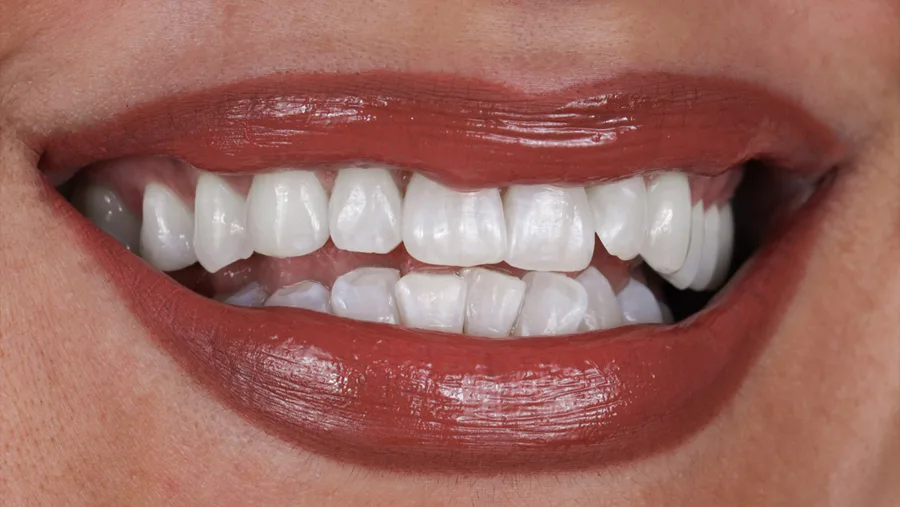
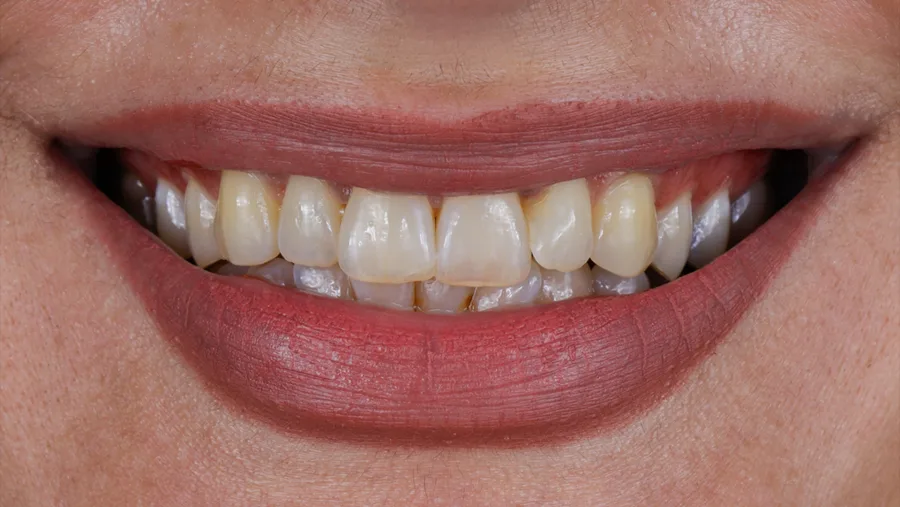
Teeth can move after orthodontic treatment, even when the initial result is excellent. Retainers help reduce this movement, known as relapse.
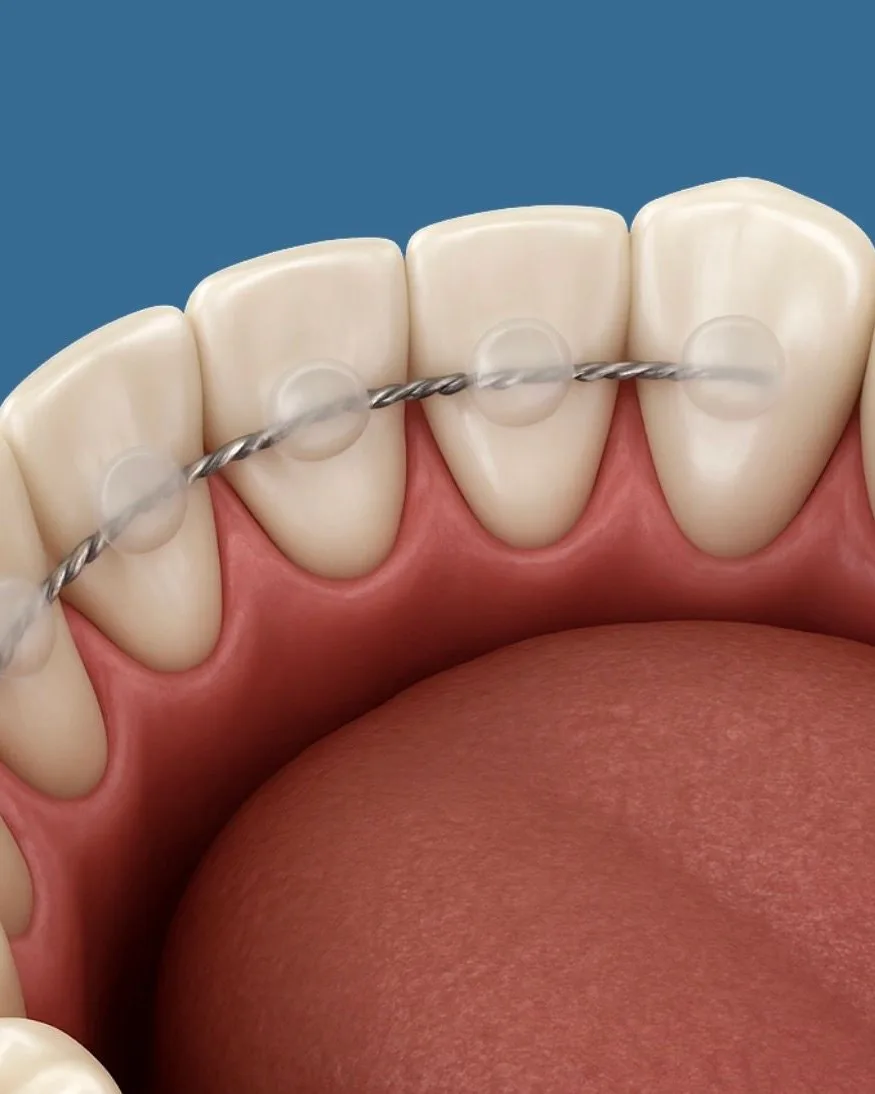
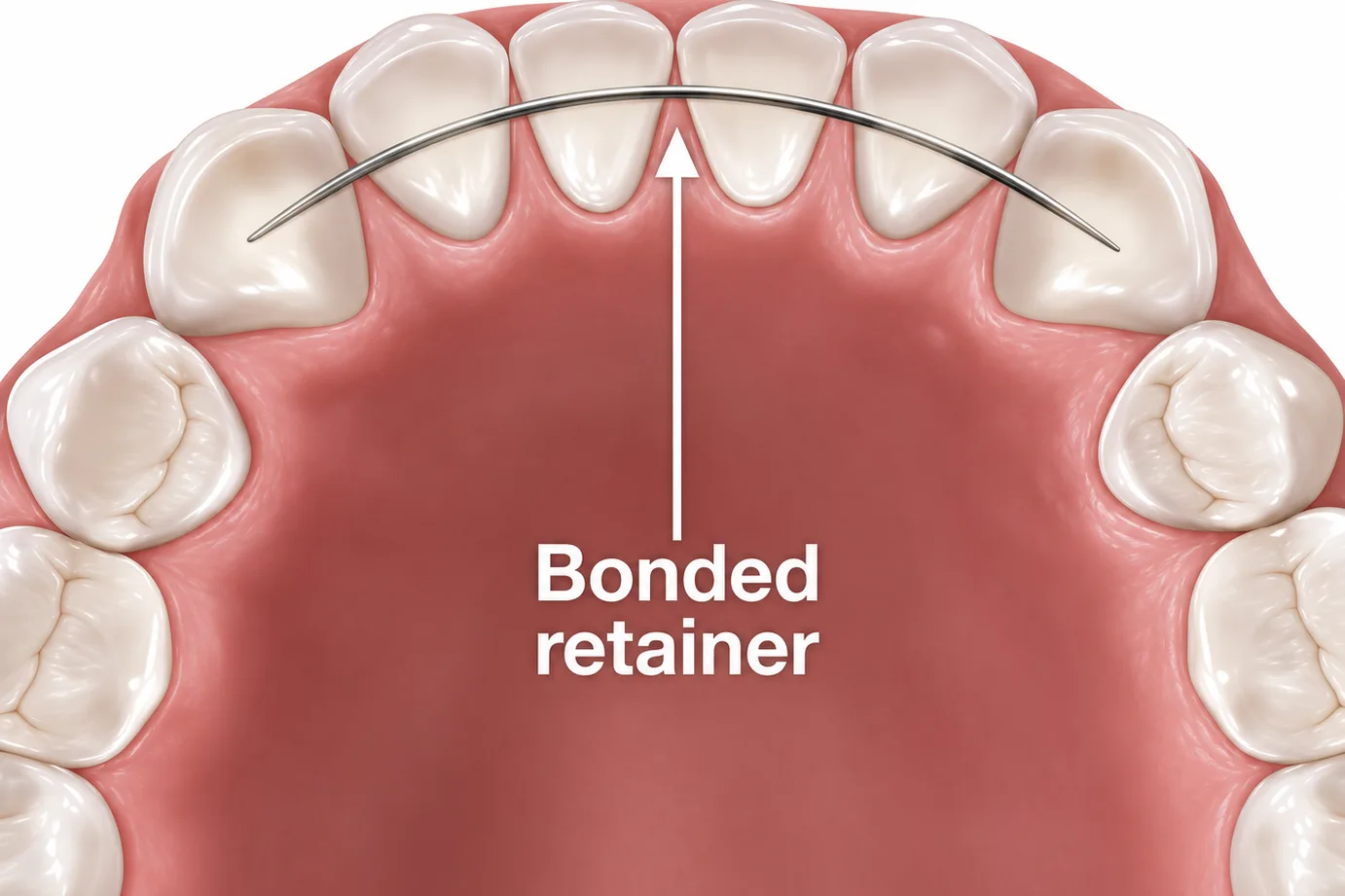
A fixed retainer works continuously while it remains correctly bonded and intact. However, it only retains the teeth to which it is attached; a removable retainer may also be prescribed to help maintain the wider alignment and bite.
Who May Benefit?
A lingual retainer may be considered for patients who:
- Have completed treatment with braces or clear aligners.
- Need ongoing retention of selected front teeth.
- Prefer a discreet retainer that stays in place.
- Require repair or replacement of an existing bonded retainer.
Suitability depends on your bite, tooth surfaces, gum health and ability to clean around the wire. Not every patient needs a fixed retainer in both arches.
Benefits of a Fixed Lingual Retainer
Discreet appearance
Positioned behind the teeth.
Continuous retention
Remains in place during everyday activities.
No daily insertion or removal
Unlike a removable retainer.
Support for selected teeth
Helps maintain the alignment achieved through orthodontic treatment.
A fixed retainer still requires careful cleaning, regular checks and prompt attention if it becomes loose.
Your Treatment Journey
- 1
Assessment
Your clinician examines your tooth alignment, bite, gums and any existing retainers. If teeth have already moved, further alignment may be necessary before a new retainer is fitted.
- 2
Cleaning & Preparation
The inner tooth surfaces are cleaned and prepared for bonding. The treatment area is kept dry to support a reliable attachment.
- 3
Wire Fitting
A suitably shaped wire is checked against the selected teeth. It should fit passively, without applying unwanted forces.
- 4
Bonding
Small amounts of dental composite secure the wire to the planned tooth surfaces.
- 5
Bite Check & Care Instructions
Your clinician checks for interference with your bite, smooths the bonded areas and explains how to clean around the retainer.
Placement can often be completed in one appointment, although fabrication or additional treatment may require another visit.
Caring for Your Lingual Retainer
- Brush twice daily with fluoride toothpaste, including around the wire and bonding points.
- Clean between your teeth using suitable interdental brushes or floss-threading aids, as demonstrated by your dental team.
- Avoid biting hard objects or pulling at the wire.
- Attend regular dental and hygiene appointments.
- Continue wearing any prescribed removable retainer.
- Contact the clinic promptly if the wire feels loose, sharp or distorted.
Plaque and tartar can collect around a fixed retainer, so thorough cleaning is important for protecting your teeth and gums.
How Long Does It Stay in Place?
Long-term retention is usually needed to maintain orthodontic results. A fixed retainer may remain for many years if it stays suitable, intact and clean.
Although sometimes called a “permanent retainer,” it is not maintenance-free or guaranteed to last indefinitely. Your clinician will review whether it should be maintained, repaired, replaced or removed.
Repairing a Loose or Broken Retainer
If a bonding point detaches or the wire breaks, teeth may begin to move. Arrange an assessment promptly, even if there is no pain.
Do not bend, cut or glue the wire yourself. Depending on its condition and the tooth positions, your clinician may rebond it or recommend a replacement. A distorted wire should be assessed before it is reattached.
Important Considerations
Possible problems include bonding failure, wire breakage, tongue irritation, plaque accumulation and gum inflammation. A loose or distorted retainer can allow, or occasionally contribute to, unwanted tooth movement.
A fixed retainer does not guarantee that teeth will never move. Regular monitoring remains essential.
| Feature | Fixed Lingual Retainer | Removable Retainer |
|---|---|---|
| Position | Bonded behind selected teeth | Fits over or around the teeth |
| Removal | Removed by a dental professional | Removed by the patient |
| Retention | Continuous while correctly attached and intact | Depends on wearing it as prescribed |
| Cleaning | Requires careful cleaning around the wire | Removed for cleaning |
| Maintenance | May need rebonding or replacement | May need replacement if worn, lost or damaged |
| Used together? | May be combined with a removable retainer | May supplement a fixed retainer |
Position
- Fixed Lingual Retainer
- Bonded behind selected teeth
- Removable Retainer
- Fits over or around the teeth
Removal
- Fixed Lingual Retainer
- Removed by a dental professional
- Removable Retainer
- Removed by the patient
Retention
- Fixed Lingual Retainer
- Continuous while correctly attached and intact
- Removable Retainer
- Depends on wearing it as prescribed
Cleaning
- Fixed Lingual Retainer
- Requires careful cleaning around the wire
- Removable Retainer
- Removed for cleaning
Maintenance
- Fixed Lingual Retainer
- May need rebonding or replacement
- Removable Retainer
- May need replacement if worn, lost or damaged
Used together?
- Fixed Lingual Retainer
- May be combined with a removable retainer
- Removable Retainer
- May supplement a fixed retainer
Your clinician will recommend the most appropriate retention plan for your smile.
Frequently asked questions
Will the retainer straighten teeth that have moved?
A standard fixed retainer is intended to hold teeth in position, rather than actively straighten them. Relapse should be assessed before fitting or repair.
Will I feel the wire?
You may initially notice it with your tongue. Persistent irritation or a sharp edge should be checked.
Do I still need a removable retainer?
Possibly. A fixed retainer does not retain every tooth, so your clinician may recommend both.
Can the wire be removed later?
Yes, by a dental professional. An alternative retention plan should be discussed before removal.
Maintain Your Smile
Contact Elora Aesthetic Polyclinic, Dubai, to arrange an assessment for lingual retainer placement, repair or replacement.
Treatment suitability and retention requirements depend on individual clinical findings.
More in Orthodontic Dentistry