What Is Bruxism?
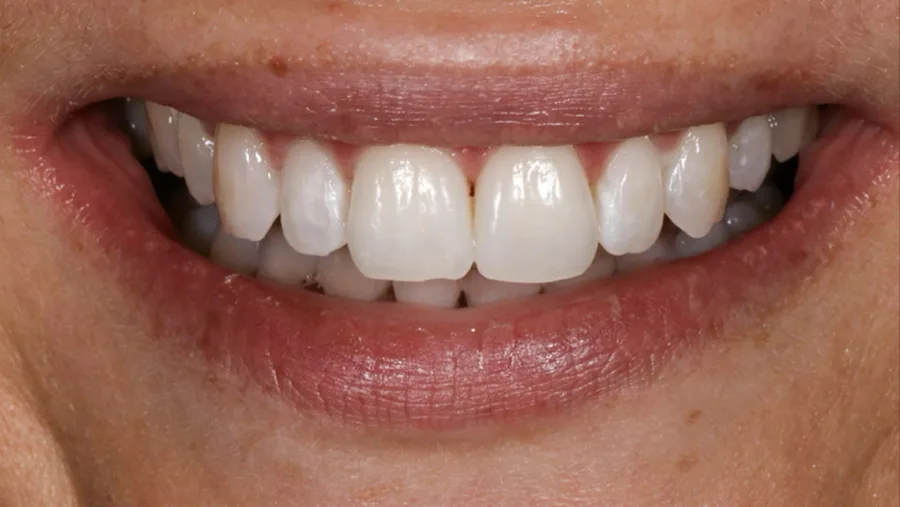
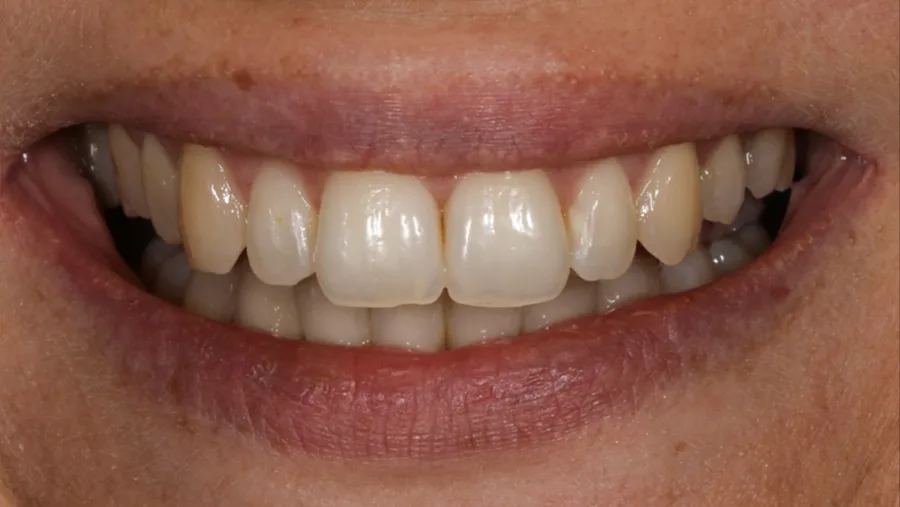
Bruxism involves grinding, clenching or bracing the teeth and jaw. It can happen while awake or asleep, often without the person realising it.
More severe bruxism may contribute to tooth wear, chipped teeth, damage to dental restorations, sensitivity and jaw discomfort. Stress, sleep-related conditions and certain medications may be relevant, so assessment should consider more than the teeth alone.
Signs You May Need an Assessment
Speak to your dentist if you notice:
- Worn, flattened or chipped teeth.
- Repeated damage to fillings, crowns or veneers.
- Tooth sensitivity.
- Jaw muscle tenderness or tiredness on waking.
- Morning headaches or facial discomfort.
- Grinding sounds reported by a partner.
These symptoms can have other causes. A dental assessment helps identify the problem and determine whether a night guard is appropriate.
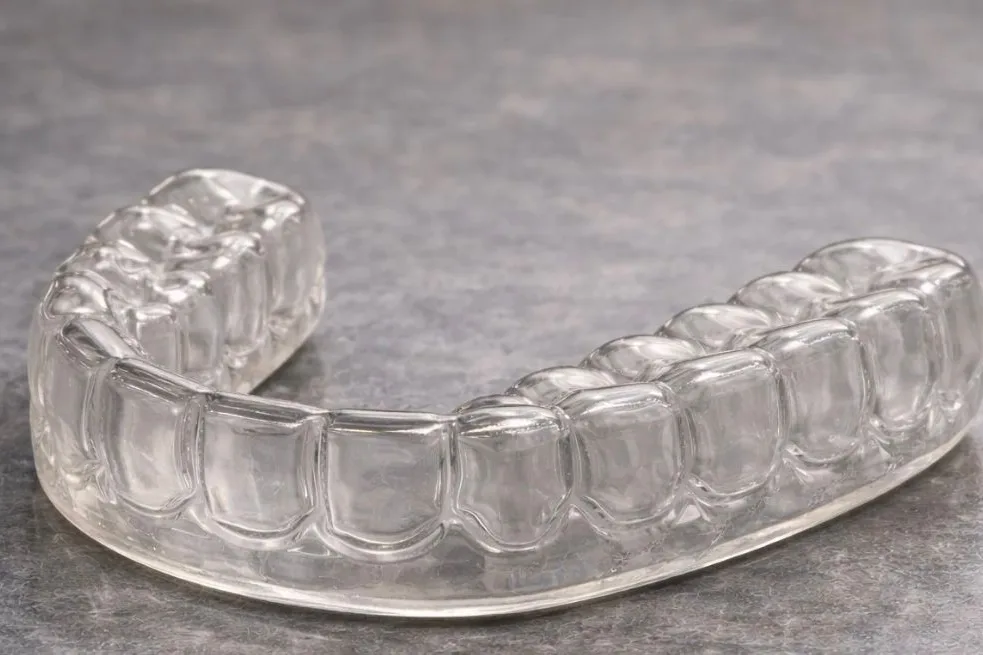
Potential Benefits of a Custom Night Guard
Protection against tooth wear
The appliance provides a barrier between opposing teeth during grinding.
Protection for dental restorations
It may help reduce direct grinding contact on fillings, crowns and veneers.
Individual fit
A custom appliance is designed around your teeth and adjusted to your bite.
Support for symptom management
Some patients experience reduced muscle discomfort, although relief varies and additional care may be needed.
A night guard cannot guarantee prevention of every crack, fracture or episode of jaw pain.
Your Treatment Journey
- 1
Consultation & Assessment
Your dentist examines your teeth, restorations, gums, bite and jaw muscles. Your symptoms, medical history, medications and sleep habits are reviewed. Further assessment or referral may be recommended where appropriate.
- 2
Impressions or Digital Scans
Records of your teeth and bite are taken to guide fabrication.
- 3
Appliance Design
Your dentist selects the appropriate material, coverage and thickness. Depending on your needs, the guard may be made for the upper or lower teeth.
- 4
Fitting & Adjustment
The finished guard is checked for secure fit, comfort and suitable bite contacts. You receive instructions on insertion, removal and wear.
- 5
Follow-Up
Review appointments allow your dentist to check symptoms, tooth protection, appliance wear and any changes to your bite. Adjustments or replacement may be needed over time.
Fabrication and fitting times depend on the appliance and laboratory availability.
| Type | Main Features |
|---|---|
| Hard acrylic splint | A rigid appliance that can be precisely adjusted to provide planned bite contacts |
| Soft night guard | A flexible appliance that may be selected for particular clinical needs |
| Dual-layer guard | Combines a softer inner surface with a firmer outer layer |
Hard acrylic splint
- Main Features
- A rigid appliance that can be precisely adjusted to provide planned bite contacts
Soft night guard
- Main Features
- A flexible appliance that may be selected for particular clinical needs
Dual-layer guard
- Main Features
- Combines a softer inner surface with a firmer outer layer
The most suitable design depends on your clinical findings. A softer or thicker appliance is not automatically the better choice.
How Often Should I Wear It?
Wear your night guard according to your dentist’s instructions, usually during sleep. Daytime use should be specifically advised rather than assumed.
The appliance should fit securely without being forced into place. If it becomes painful, stops fitting or causes a persistent change in your bite, stop using it and arrange a review.
Caring for Your Night Guard
- Clean your teeth before inserting it.
- Rinse it after removal and clean it as instructed.
- Use only cleaning products suitable for its material.
- Avoid hot water, which may distort the appliance.
- Store it in its protective case as advised.
- Keep it away from pets and excessive heat.
- Bring it to dental appointments for inspection.
- Arrange a review if it cracks, wears through or becomes loose.
Do not eat while wearing the guard.
Night Guard vs Sports Mouthguard vs Retainer
| Appliance | Main Purpose | Typical Use |
|---|---|---|
| Night guard | Helps protect teeth from grinding and clenching | During sleep, as prescribed |
| Sports mouthguard | Cushions impacts to reduce sports-related dental injury | During training and competition |
| Orthodontic retainer | Helps maintain tooth positions after orthodontic treatment | According to the retention plan |
Night guard
- Main Purpose
- Helps protect teeth from grinding and clenching
- Typical Use
- During sleep, as prescribed
Sports mouthguard
- Main Purpose
- Cushions impacts to reduce sports-related dental injury
- Typical Use
- During training and competition
Orthodontic retainer
- Main Purpose
- Helps maintain tooth positions after orthodontic treatment
- Typical Use
- According to the retention plan
These appliances serve different purposes and should not be substituted for one another without professional advice.
Important Considerations
A night guard is one part of bruxism management. Depending on the cause, your dentist may also discuss daytime habits, stress management, sleep assessment or other treatment.
Persistent jaw pain, locking or difficulty opening the mouth requires assessment. A standard night guard is not a treatment for obstructive sleep apnoea; report loud snoring, witnessed breathing pauses or significant daytime sleepiness to your healthcare professional.
Frequently asked questions
Will a night guard stop me grinding?
Not necessarily. Its main role is to protect the teeth. Grinding may continue while you wear it.
Can I wear one if I have veneers or crowns?
Often, yes. Your dentist will assess the restorations and design the appliance accordingly.
Will it cure jaw pain or headaches?
No result can be guaranteed. These symptoms have several possible causes, and a night guard is only appropriate in selected cases.
How long will it last?
This depends on the material, grinding forces, cleaning and changes to your teeth. Regular checks help identify when adjustment or replacement is needed.
Can I use it with my orthodontic retainer?
Your dentist and orthodontic provider should coordinate the plan. Do not stop wearing a prescribed retainer or attempt to stack appliances without advice.
Protect Your Smile While You Sleep
Contact Elora Aesthetic Polyclinic, Dubai, to arrange an assessment for grinding, clenching or a custom night guard.
Appliance suitability and symptom improvement depend on individual clinical findings.
More in Orthodontic Dentistry