What Is Dental Pulp?
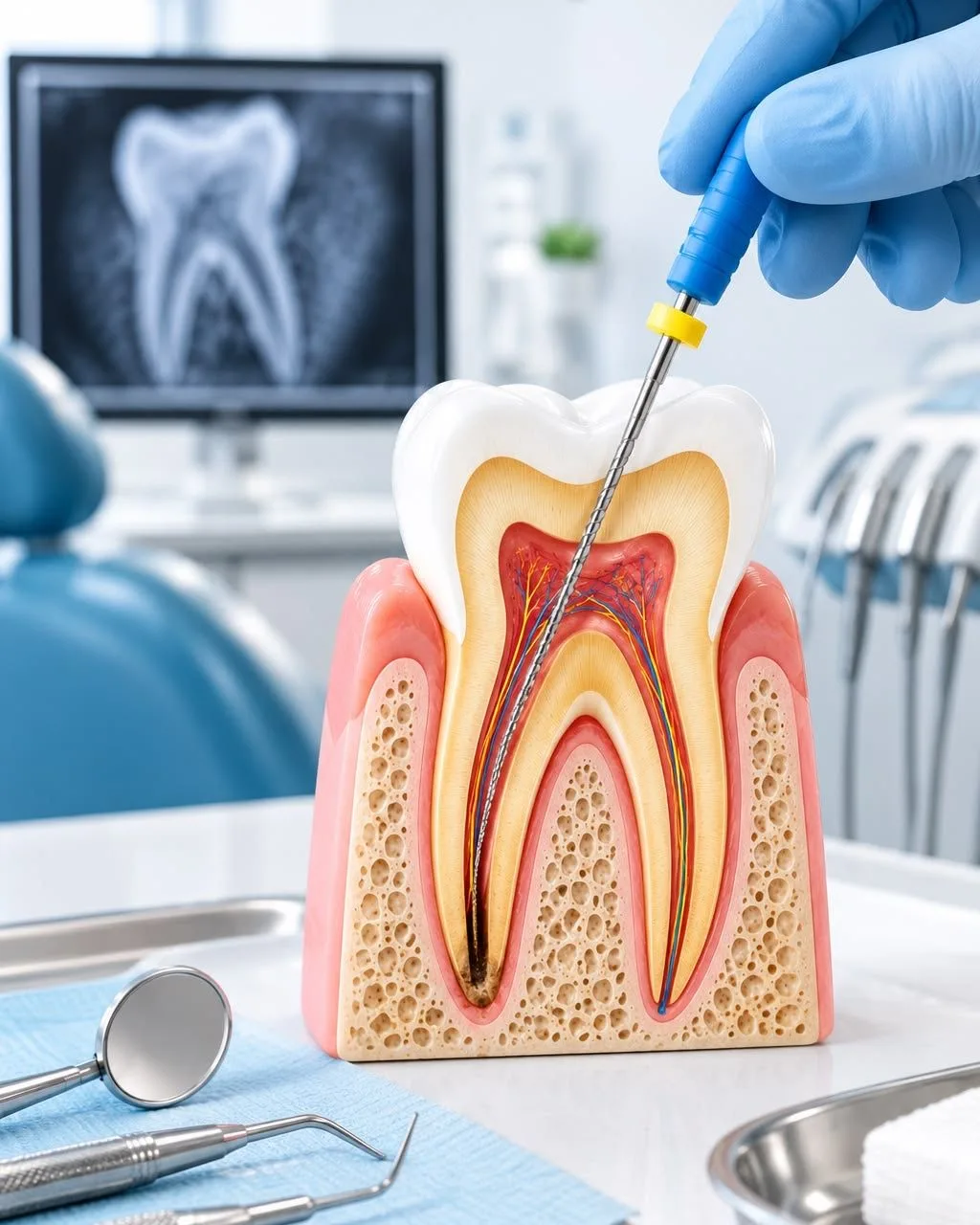
Beneath the tooth’s outer enamel and underlying dentin is the pulp: soft tissue containing nerves, blood vessels and connective tissue. It extends from the centre of the tooth into narrow channels within the roots.
Deep decay, cracks, trauma or repeated dental procedures can damage the pulp. When inflammation or infection cannot resolve, root canal treatment may be recommended.
Signs You May Need Root Canal Treatment
Symptoms that warrant a dental assessment include:
- Persistent or severe toothache.
- Lingering sensitivity to hot or cold.
- Pain when biting or chewing.
- Swelling or tenderness around a tooth.
- A recurring pimple or discharge on the gum.
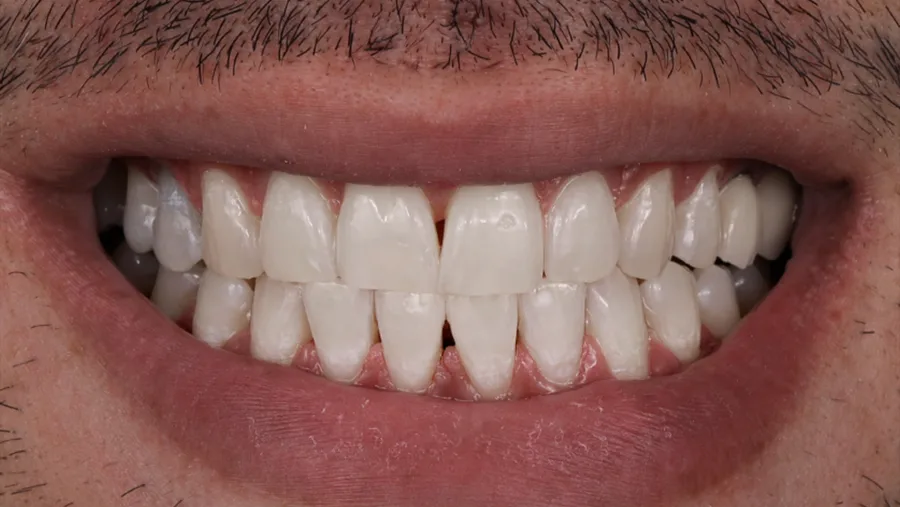
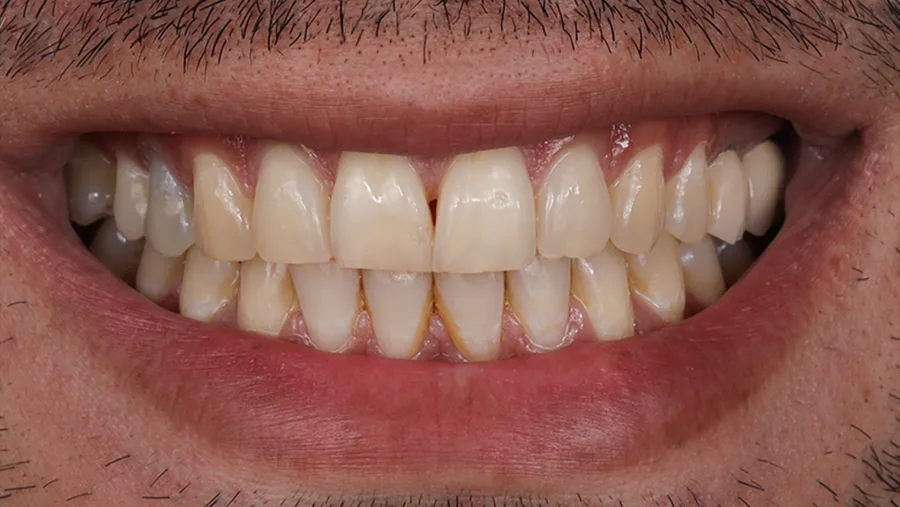
- A tooth becoming noticeably darker.
Some affected teeth cause little or no pain. Diagnosis requires an examination, appropriate tests and dental imaging; symptoms alone cannot confirm the need for treatment.
Benefits of Endodontic Treatment
When appropriate, treatment can:
- Address inflammation or infection inside the tooth.
- Relieve pain caused by the affected pulp.
- Preserve the natural tooth and its supporting role in your bite.
- Restore comfortable chewing once the tooth is fully restored.
- Reduce the need for extraction and replacement.
The outcome depends on the condition of the tooth, treatment complexity and the quality of the final restoration.
Your Treatment Journey
- 1
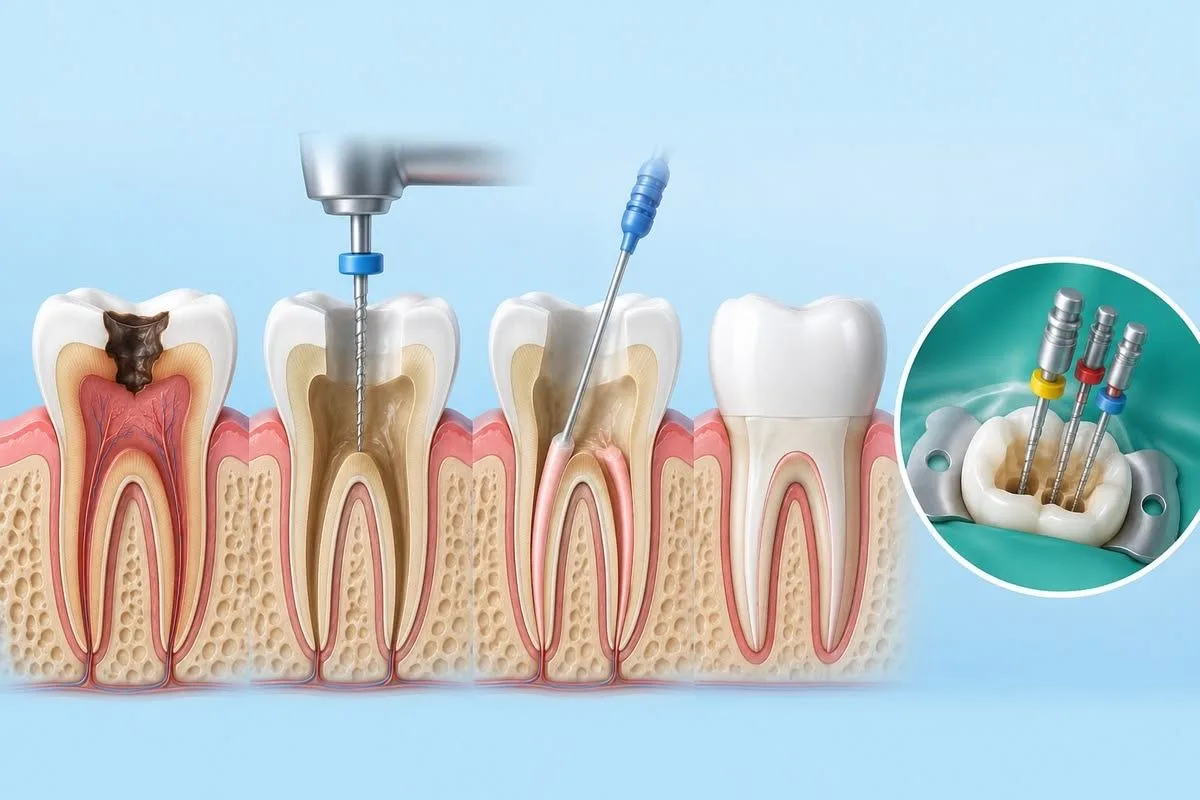
Consultation & Diagnosis
Your dentist reviews your symptoms and medical history, examines the tooth and takes the necessary X-rays. Pulp and bite tests help identify the problem and assess whether the tooth can be saved.
- 2
Local Anaesthesia & Isolation
Local anaesthetic is used to keep you comfortable. A dental rubber dam isolates the tooth from saliva and helps protect the treatment area.
- 3
Cleaning & Disinfection
A small opening provides access to the pulp chamber. The affected tissue is removed, and the root canals are carefully cleaned, shaped and disinfected.
- 4
Filling & Sealing
Once ready, the canals are filled and sealed. If treatment requires more than one visit, medication and a temporary filling may be placed between appointments.
- 5
Final Tooth Restoration
The access opening is restored with a suitable filling. A crown or another protective restoration may also be recommended, depending on the tooth’s position and remaining structure. Completing this stage promptly helps protect the tooth from leakage and fracture.
How Many Appointments Are Needed?
Treatment may be completed in one or more appointments. The number depends on the tooth, root canal anatomy, infection and whether previous treatment needs to be revised.
The final filling or crown may require additional visits. Your dentist will explain the expected schedule after assessment.
Is Root Canal Treatment Painful?
With effective local anaesthesia, treatment is generally comfortable. Tell your dentist if you feel pain during the procedure so they can adjust your care.
Mild tenderness or sensitivity can occur afterwards, particularly when biting, and usually improves as the surrounding tissues settle.
Aftercare & Recovery
- Avoid chewing until the numbness has worn off.
- Avoid hard foods and heavy biting on the treated tooth until it is fully restored.
- Brush and clean between your teeth as advised.
- Take prescribed or recommended medicines according to your dentist’s instructions.
- Attend appointments for the final restoration and follow-up review.
Contact your dentist if pain is severe or worsening, swelling develops, your bite feels uneven or a temporary filling comes out. Difficulty breathing or swallowing, or rapidly spreading facial swelling, requires emergency medical attention.
Can a Previously Treated Tooth Be Treated Again?
Yes. A tooth may need endodontic retreatment if it has not healed or develops a new problem. This involves reopening the tooth, removing the previous canal filling, investigating the cause and cleaning and sealing the canals again.
In selected cases, endodontic surgery may be considered. If the tooth cannot be restored or has an unfavourable prognosis, extraction may be recommended.
Important Considerations
Root canal treatment cannot guarantee that a tooth will be retained indefinitely. Persistent infection, complex anatomy, fractures or procedural complications can affect healing. Further treatment or extraction may occasionally be necessary.
Your dentist will discuss the expected prognosis, relevant risks and alternatives before treatment.
Frequently asked questions
Will I always need a crown afterwards?
No. The recommendation depends on the tooth and how much healthy structure remains. Back teeth commonly need additional protection because of chewing forces.
Can antibiotics replace root canal treatment?
Antibiotics alone do not remove the source of infection inside an affected tooth. They may be prescribed in particular circumstances, but definitive dental treatment is usually needed.
How long can a treated tooth last?
A successfully treated and properly restored tooth can remain functional for many years. Daily care, regular reviews and protection from excessive biting forces remain important.
More in Endodontic Treatment