Dental Cleaning
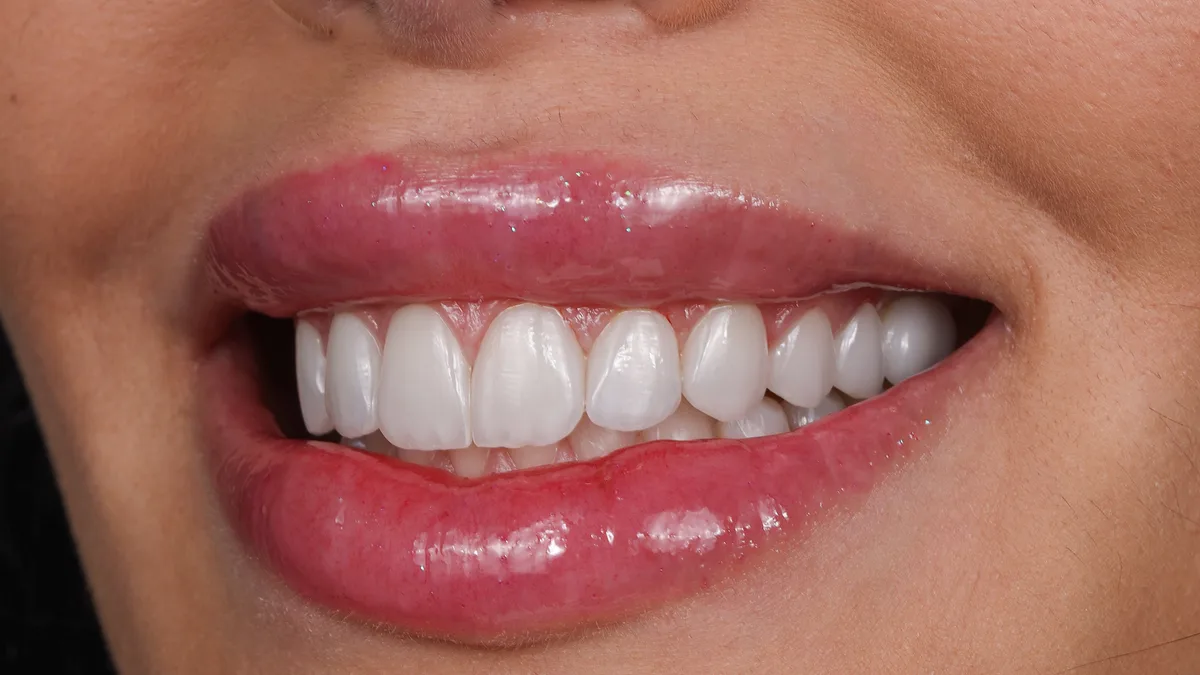
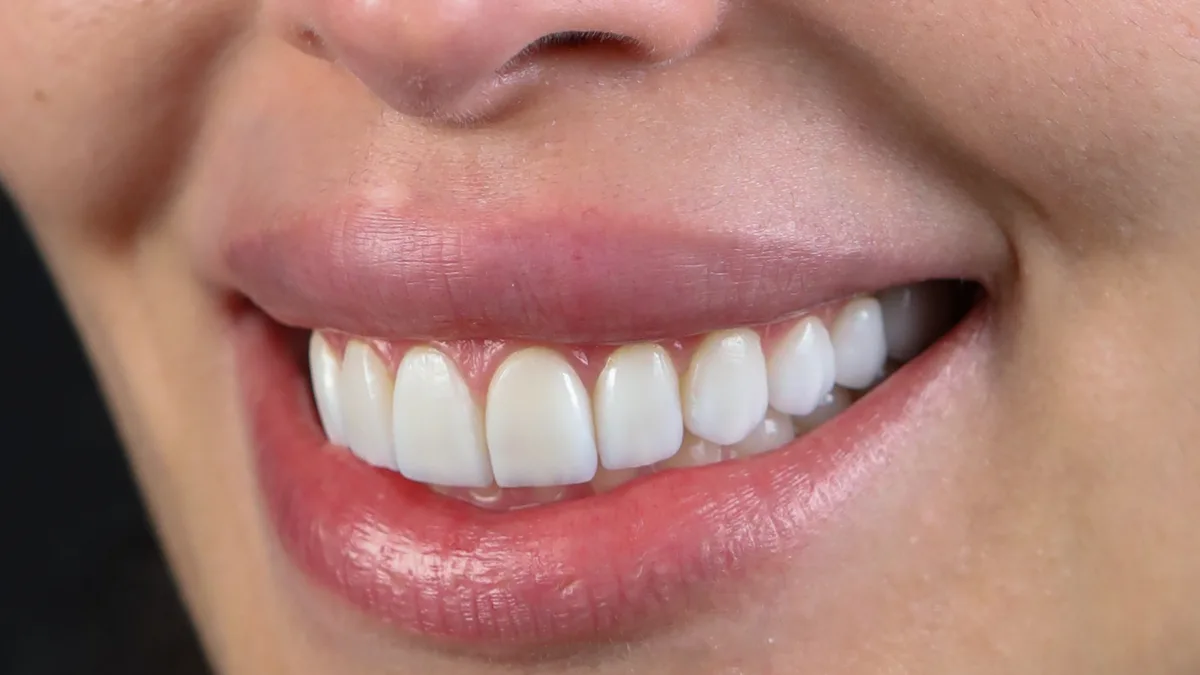
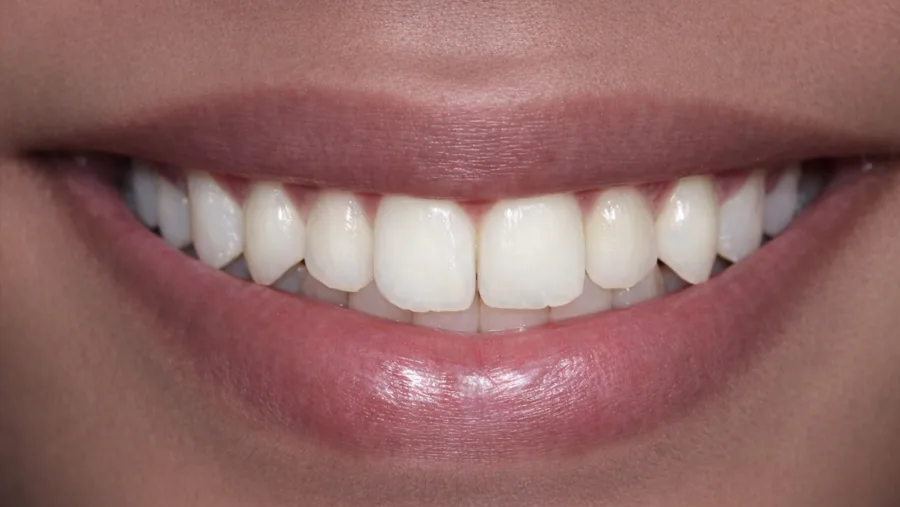
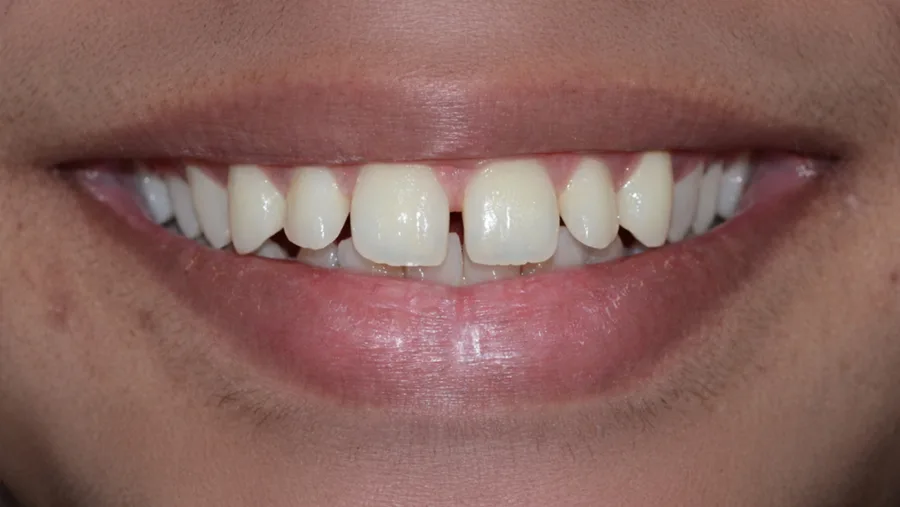
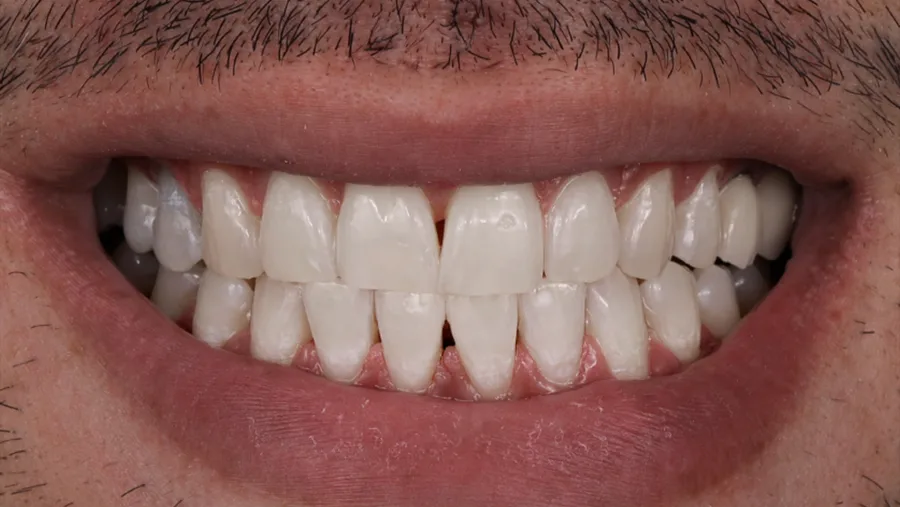
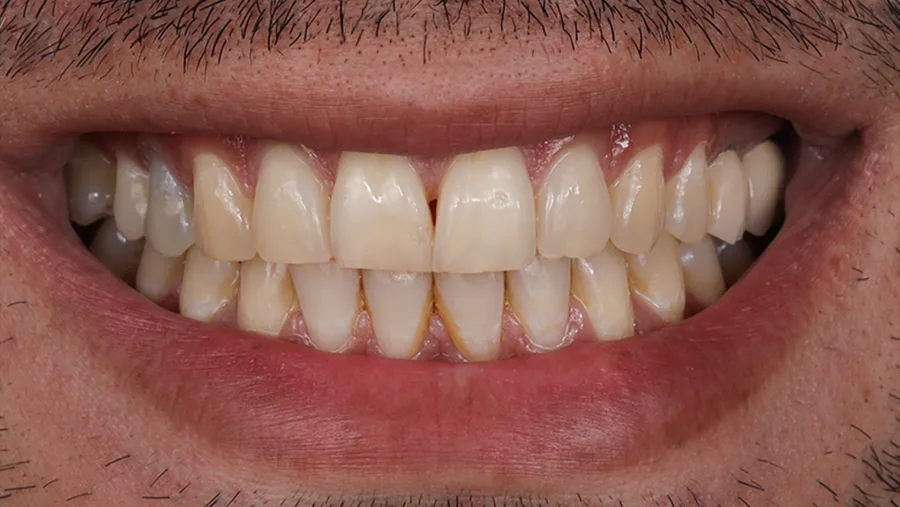
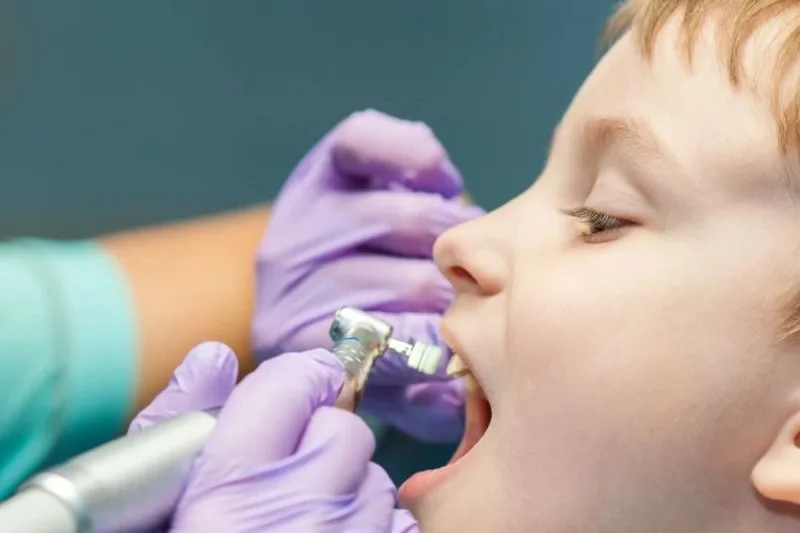
Professional cleaning removes plaque, surface stains and tartar where present, using techniques appropriate for your child’s age and needs. Polishing may be included where indicated.
The appointment also provides an opportunity to discuss brushing, diet and areas that need extra attention. Cleaning supports prevention but does not replace treatment for established cavities.
Suitable forChildren who need professional plaque removal, oral-hygiene support or stain removal following assessment.
Dental Cleaning with Fluoride Treatment
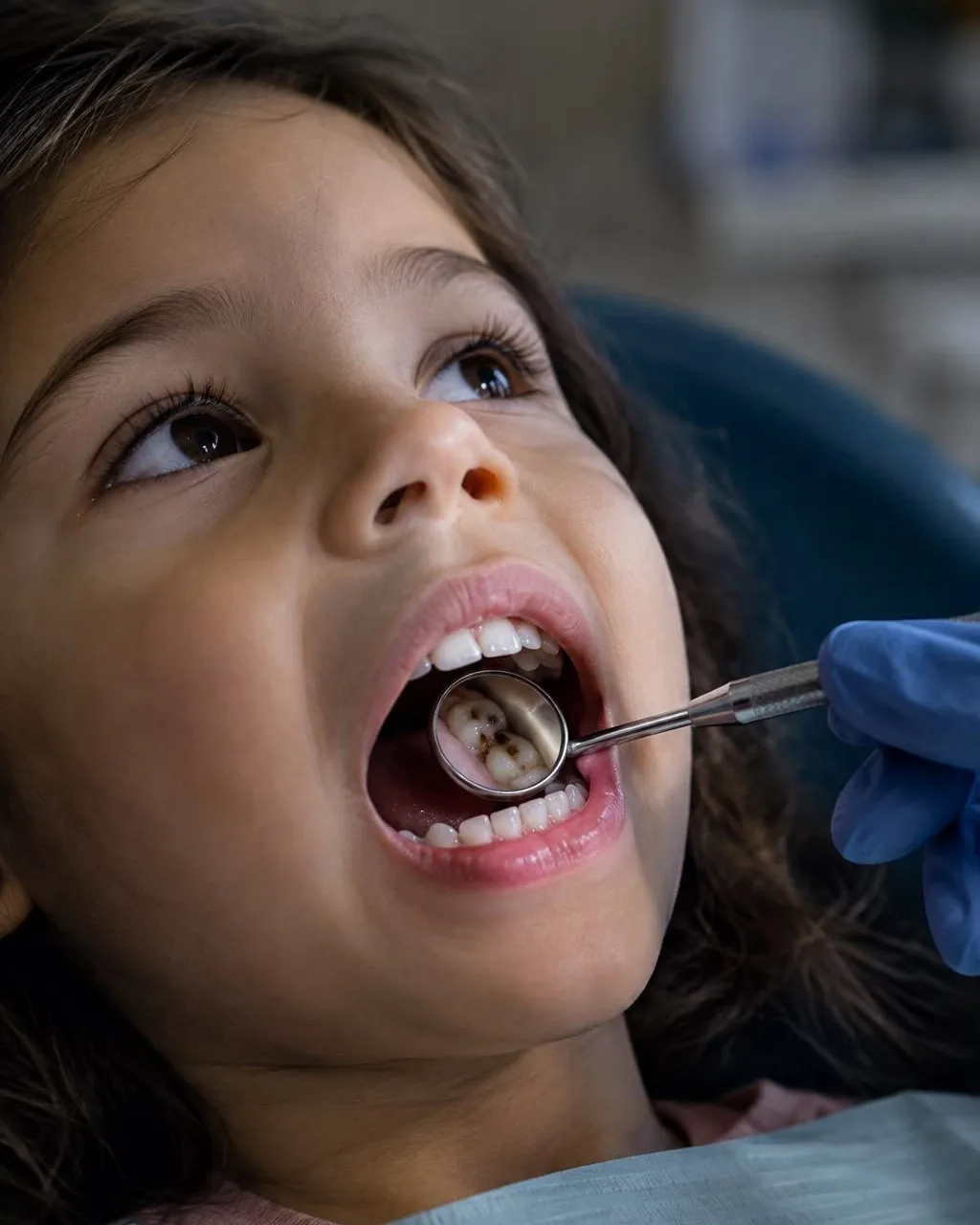
This combines appropriate professional cleaning with an application of fluoride, usually as a varnish for younger children. Fluoride helps strengthen enamel and reduce the risk of tooth decay.
The product and frequency are selected according to your child’s age, cavity risk and existing fluoride exposure. Aftercare instructions depend on the product used.
Suitable forChildren who would benefit from additional cavity protection. Fluoride does not replace brushing or repair every established cavity.
Stainless Steel Crown
A stainless steel crown is a preformed metal cap fitted over a tooth to provide full coverage. It is commonly used for baby molars with extensive decay, weakened tooth structure or following certain pulp treatments.
The crown is selected, adapted and cemented in place. Depending on the case, conventional preparation or a suitable minimally invasive technique may be recommended. For a baby tooth, the crown generally stays with the tooth until it naturally falls out.
Suitable forSelected teeth that need more protection than a filling can reliably provide.
The crown has a silver appearance. Regular cleaning and reviews remain important to protect the surrounding gums and tooth.
Space Maintainer
A space maintainer is a fixed or removable appliance that helps preserve a gap after a baby tooth is lost earlier than expected. Its purpose is to reduce movement of neighbouring teeth into space needed by a developing permanent tooth.
Not every missing baby tooth requires one. Your dentist considers which tooth was lost, the available space, your child’s bite and the development of the permanent replacement.
Suitable forSelected cases of early baby-tooth loss.
Regular checks are essential so the appliance can be adjusted or removed at the appropriate stage. It does not guarantee that future orthodontic treatment will be unnecessary.
Bonded Fillings
Bonded fillings restore teeth affected by decay or minor damage. Tooth-coloured materials, such as composite resin, are attached to the prepared tooth to rebuild its shape and chewing surface.
Your dentist selects the material according to the cavity’s size and location, moisture control and your child’s ability to tolerate treatment. A more extensively damaged tooth may require a crown instead.
Suitable forSelected small-to-moderate cavities and repairable defects.
Fillings can wear, chip or develop decay around their edges, so home care and follow-up remain necessary.
Pulpotomy
A pulpotomy removes the affected pulp tissue from the upper part of the tooth while preserving suitable living pulp within the roots.
After assessment and local anaesthesia where needed, the dentist removes the affected tissue, places an appropriate protective material and seals the tooth. A stainless steel crown is often recommended for a treated baby molar.
Suitable forCarefully selected teeth in which the remaining root pulp can be maintained.
The aim is to retain the tooth comfortably, but healing is not guaranteed. Clinical and radiographic reviews are needed.
Pulpectomy
A pulpectomy removes affected pulp from both the upper chamber and root canals. In a suitable baby tooth, the canals are cleaned and filled with a material appropriate for primary teeth, followed by a well-sealed restoration.
It is more extensive than a pulpotomy. Suitability depends on the diagnosis, root condition, remaining tooth structure and the developing permanent tooth. Some teeth are better managed by extraction.
Suitable forSelected restorable baby teeth requiring treatment throughout the pulp chamber and canals.
Follow-up is essential to monitor the tooth and surrounding tissues.
Tooth Extraction
Extraction may be recommended when a tooth cannot be predictably restored, has an unsuitable prognosis or needs removal as part of a planned orthodontic approach.
Your dentist examines the tooth, takes X-rays where needed and explains alternatives before proceeding. Local anaesthetic is used when appropriate. If a baby tooth is removed early, the need for a space maintainer is assessed.
AftercareSupervise your child while numb to prevent lip, cheek or tongue biting. Follow instructions for bleeding control, eating, cleaning and pain relief. Contact the clinic if bleeding persists, swelling increases or your child becomes unwell.
Building Healthy Habits Early
Brush your child’s teeth twice daily with fluoride toothpaste and supervise or assist according to their ability. Use an age-appropriate amount: a rice-grain-sized smear under age three and a pea-sized amount from ages three to six.
Arrange the first dental visit when the first tooth appears and no later than the first birthday. Subsequent review intervals depend on your child’s needs and cavity risk.